







Pregnancy is an incredible journey filled with excitement, anticipation, and profound physical changes — including changes to your skin.
While every woman’s experience is unique, most expectant mothers notice at least a few skin changes along the way. The good news? Many of these changes are completely normal, and with the right care, you can support your skin throughout pregnancy and postpartum recovery.
Here’s what to expect — and how to care for your skin safely and effectively.
Why Does Pregnancy Change Your Skin?
Hormonal fluctuations — particularly increases in estrogen, progesterone, and melanocyte-stimulating hormone — significantly affect your skin’s pigment, oil production, blood flow, and elasticity (Muallem & Rubeiz, 2006).
Increased blood volume and rapid stretching also contribute to many of the visible changes women experience.
Understanding what’s happening beneath the surface can help you manage these changes with confidence.
Common Skin Changes During Pregnancy
1. Pigmentation Changes (Melasma & Linea Nigra)
One of the earliest and most noticeable changes is hyperpigmentation.
Many women develop:
-
Melasma (“the mask of pregnancy”) — dark patches on the cheeks, forehead, or upper lip
-
Linea nigra — a vertical dark line running down the abdomen
-
Darkening of nipples, freckles, or existing moles
These changes are caused by increased melanin production stimulated by pregnancy hormones (Muallem & Rubeiz, 2006).
What Helps:
-
Daily broad-spectrum SPF 30+ sunscreen
-
Gentle brightening skincare postpartum
-
Avoiding prolonged sun exposure
Most pigmentation fades after delivery, though melasma may persist without treatment.
2. Stretch Marks (Striae Gravidarum)
Stretch marks affect up to 90% of pregnant women (Kumari et al., 2007).
They commonly appear on:
-
Abdomen
-
Breasts
-
Thighs
-
Hips
-
Buttocks
Stretch marks develop when rapid skin stretching disrupts collagen and elastin fibers. They often start as pink, red, or purple lines and gradually fade to lighter tones.
How to Support Skin Elasticity
While genetics play a role, maintaining skin hydration and elasticity may help reduce severity.
Rejuvaskin’s Stretch Mark Cream contains peptides and hydrating ingredients designed to:
-
Support collagen health
-
Improve skin elasticity
-
Reduce dryness and itching
-
Strengthen the skin barrier
Consistent application throughout pregnancy helps skin stretch more comfortably.
3. Acne & Breakouts
Hormonal surges can increase oil production, leading to pregnancy acne — especially in the first and second trimesters (Barankin et al., 2002).
You may notice:
-
Increased breakouts
-
Oily skin
-
Congested pores
Pregnancy-Safe Skincare Tips:
-
Use a gentle, fragrance-free cleanser
-
Choose non-comedogenic moisturizers
-
Avoid retinoids and high-dose salicylic acid
-
Keep routines simple and barrier-focused
Gentle, pregnancy-safe products help manage breakouts without irritating sensitive skin.
4. Vascular Changes (Spider Veins & Varicose Veins)
Increased blood volume and pressure on veins can lead to:
-
Spider veins
-
Varicose veins
-
Facial redness
These changes are common and typically improve postpartum (Errickson & Matus, 1994).
How to Minimize Discomfort:
-
Elevate legs when resting
-
Wear compression stockings
-
Stay active with low-impact movement
-
Maintain skin hydration
Healthy circulation combined with moisturized skin can improve overall comfort.
5. Dryness & Itching
As your belly grows, skin stretches rapidly, which can lead to tightness, dryness, and itching — particularly during the third trimester.
Hormonal changes can also weaken the skin barrier, making moisture retention more difficult (Muallem & Rubeiz, 2006).
Relief Strategy:
Deep hydration is key.
Rejuvaskin’s Stretch Mark Cream provides:
-
Intensive moisture support
-
Barrier-strengthening ingredients
-
Soothing comfort for itchy, stretching skin
Applying after showers helps lock in hydration.
Postpartum Skin Changes & C-Section Scar Care
After delivery, many pregnancy-related skin changes gradually improve. However:
-
Stretch marks may remain (though they fade)
-
Pigmentation may take months to lighten
-
C-section scars require intentional care
Supporting C-Section Scar Healing
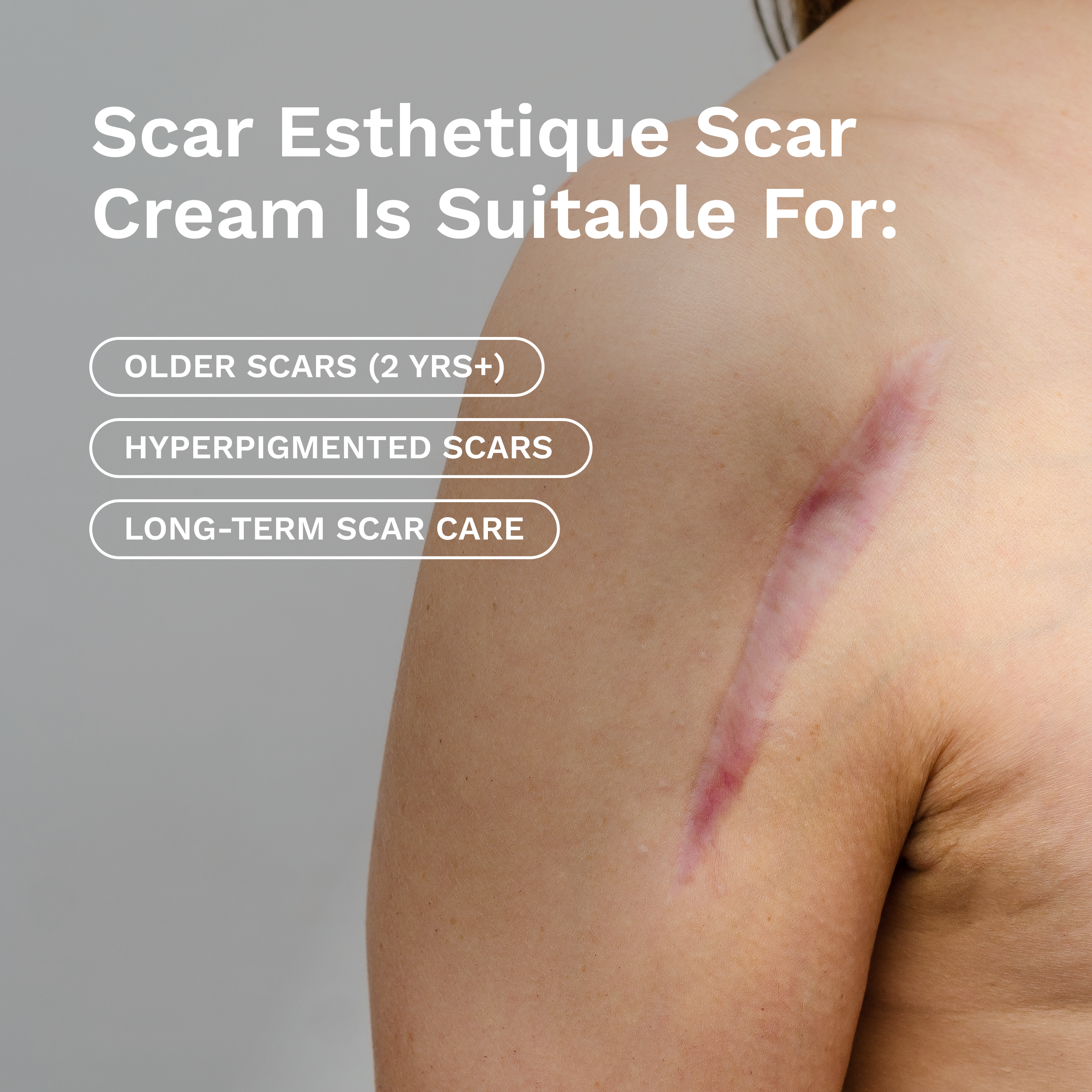
If you’ve had a C-section, proper scar management can significantly impact healing and long-term appearance.
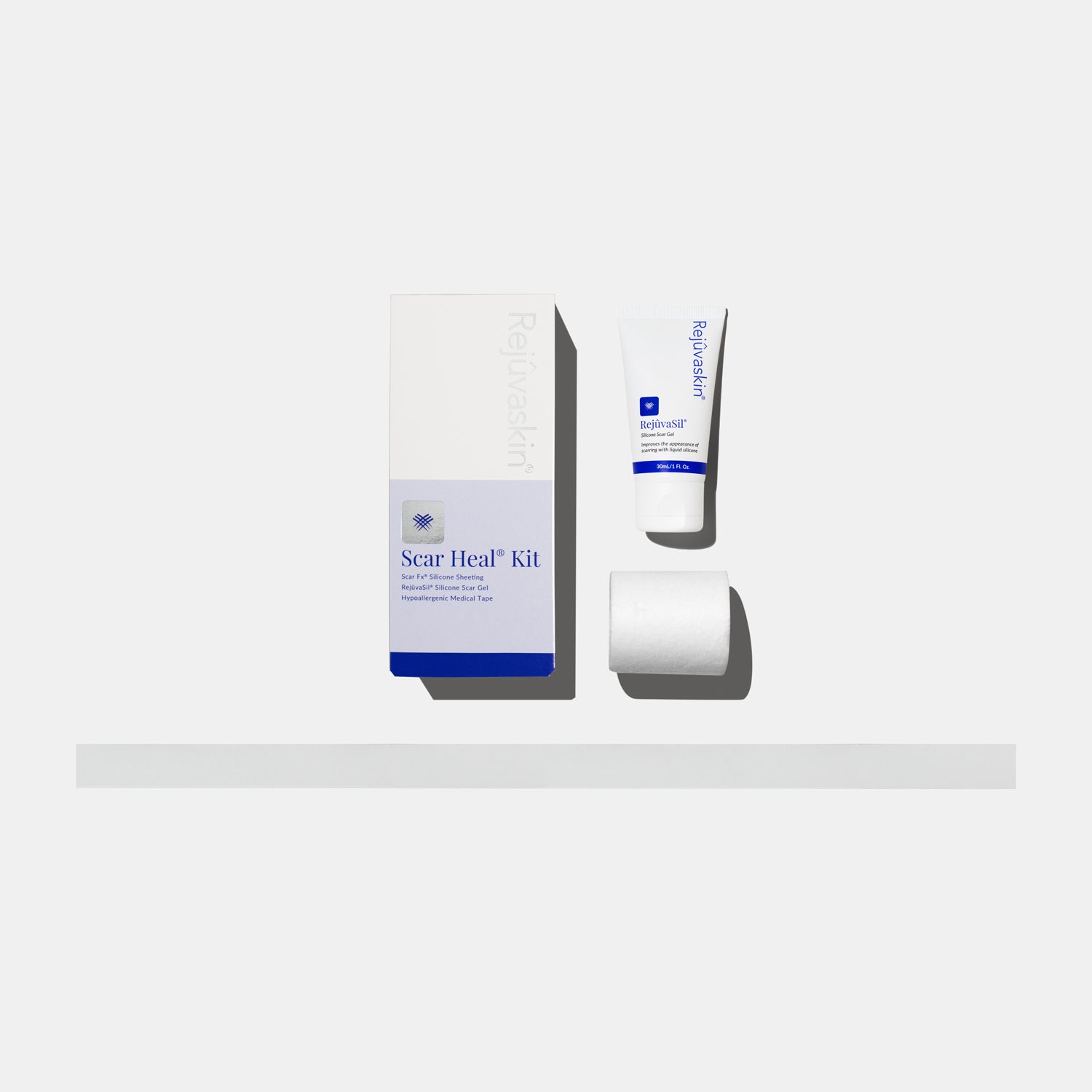
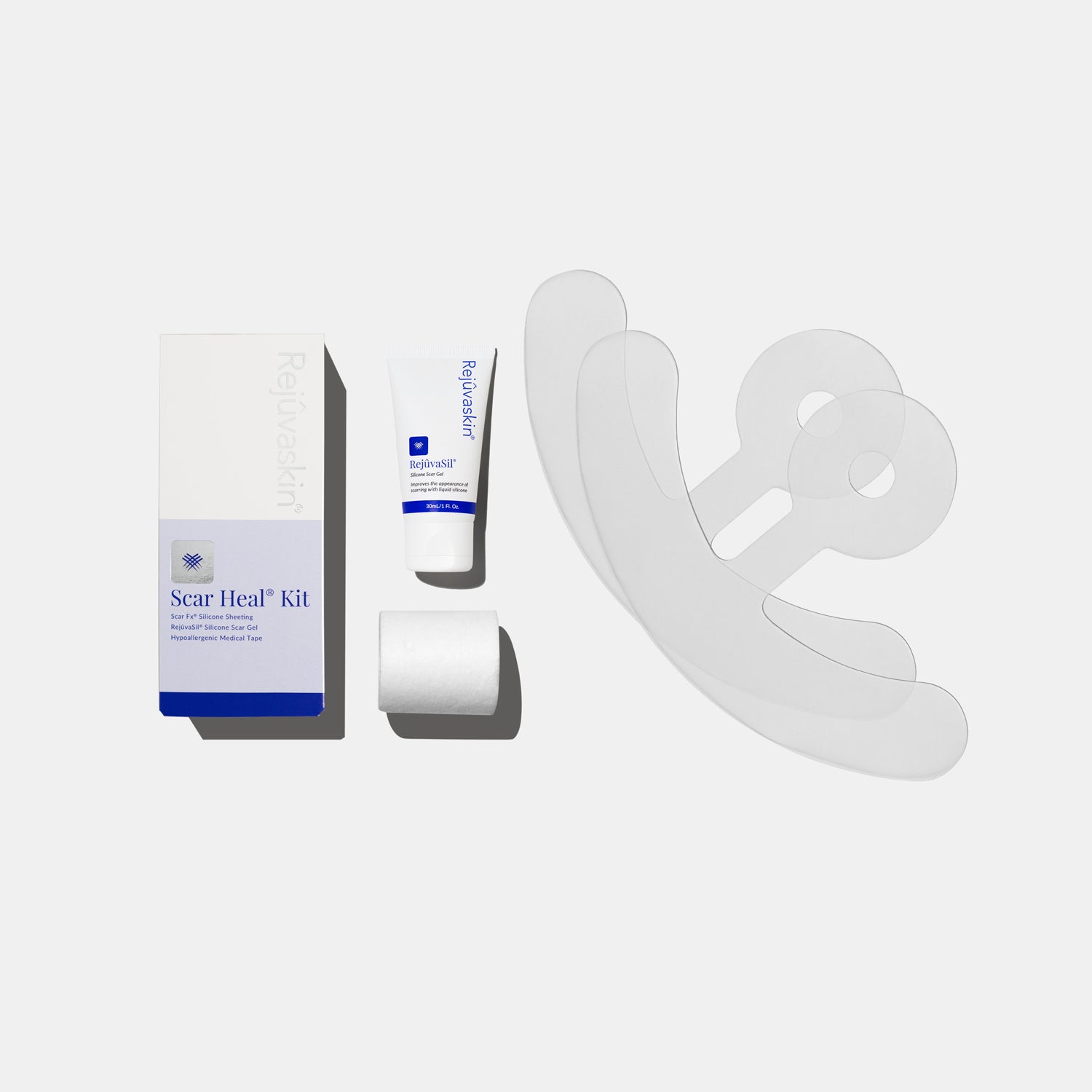
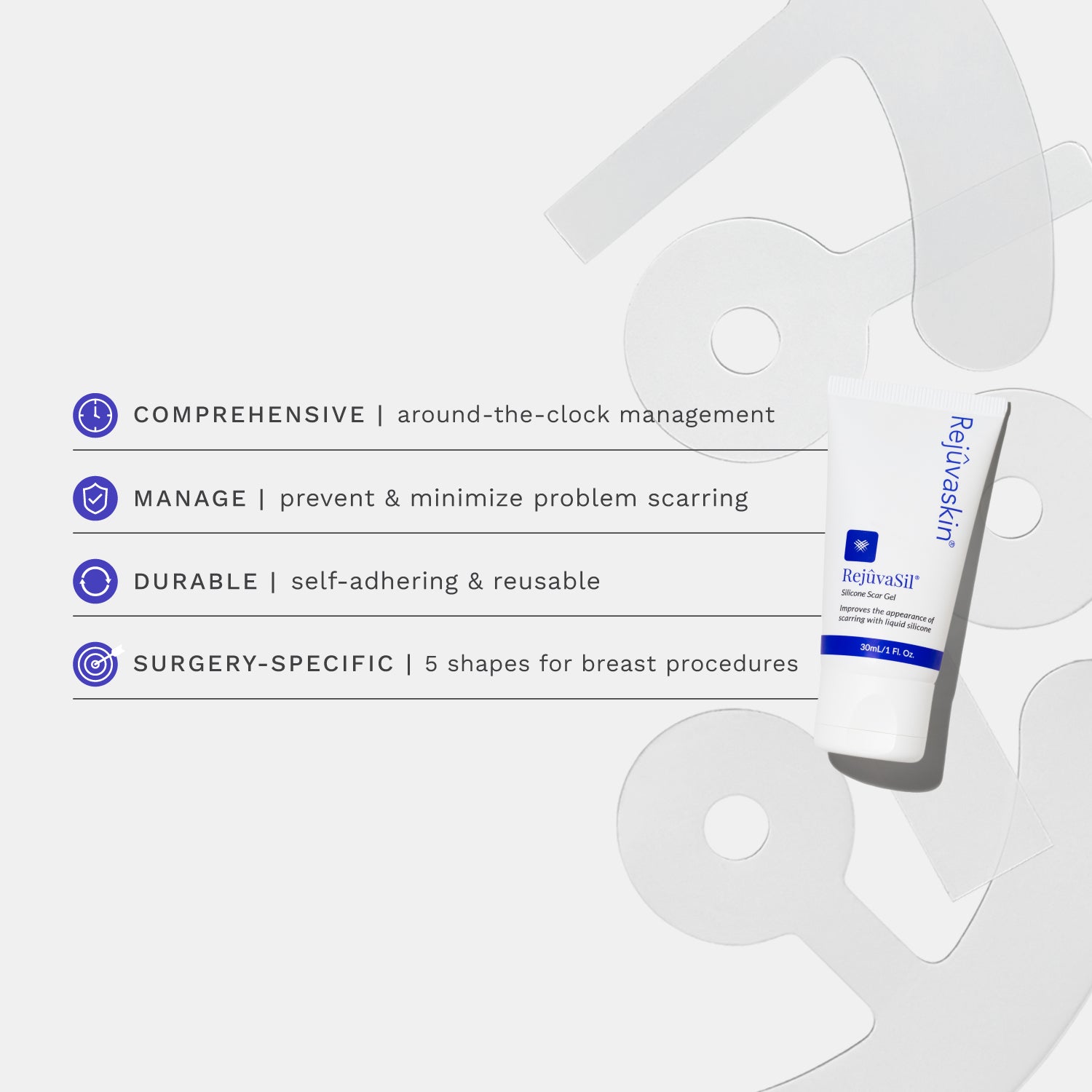
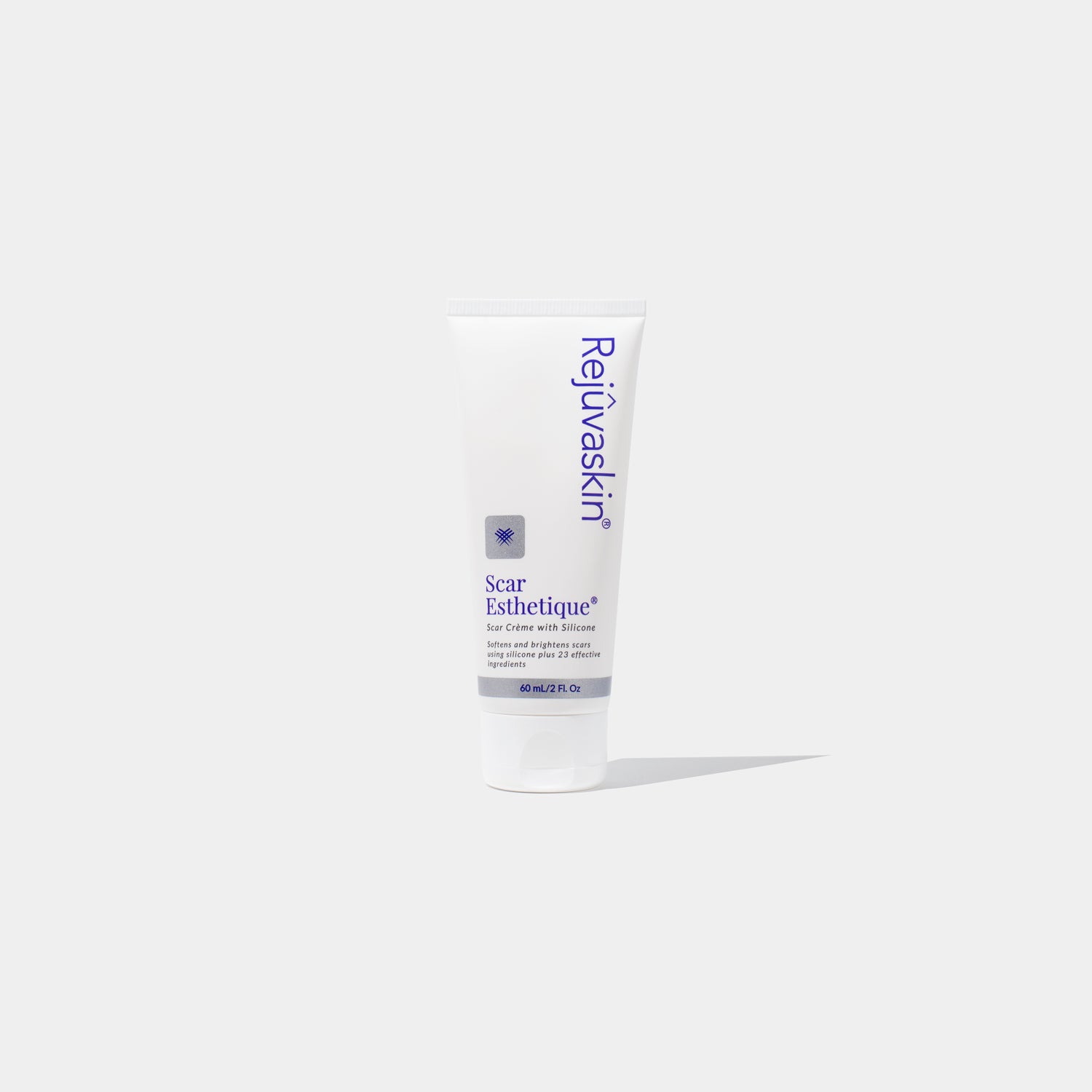
Rejuvaskin’s Scar Heal Kit combines:
-
RejuvaSil Silicone Scar Gel – Creates a protective barrier that locks in moisture and supports optimal collagen remodeling
-
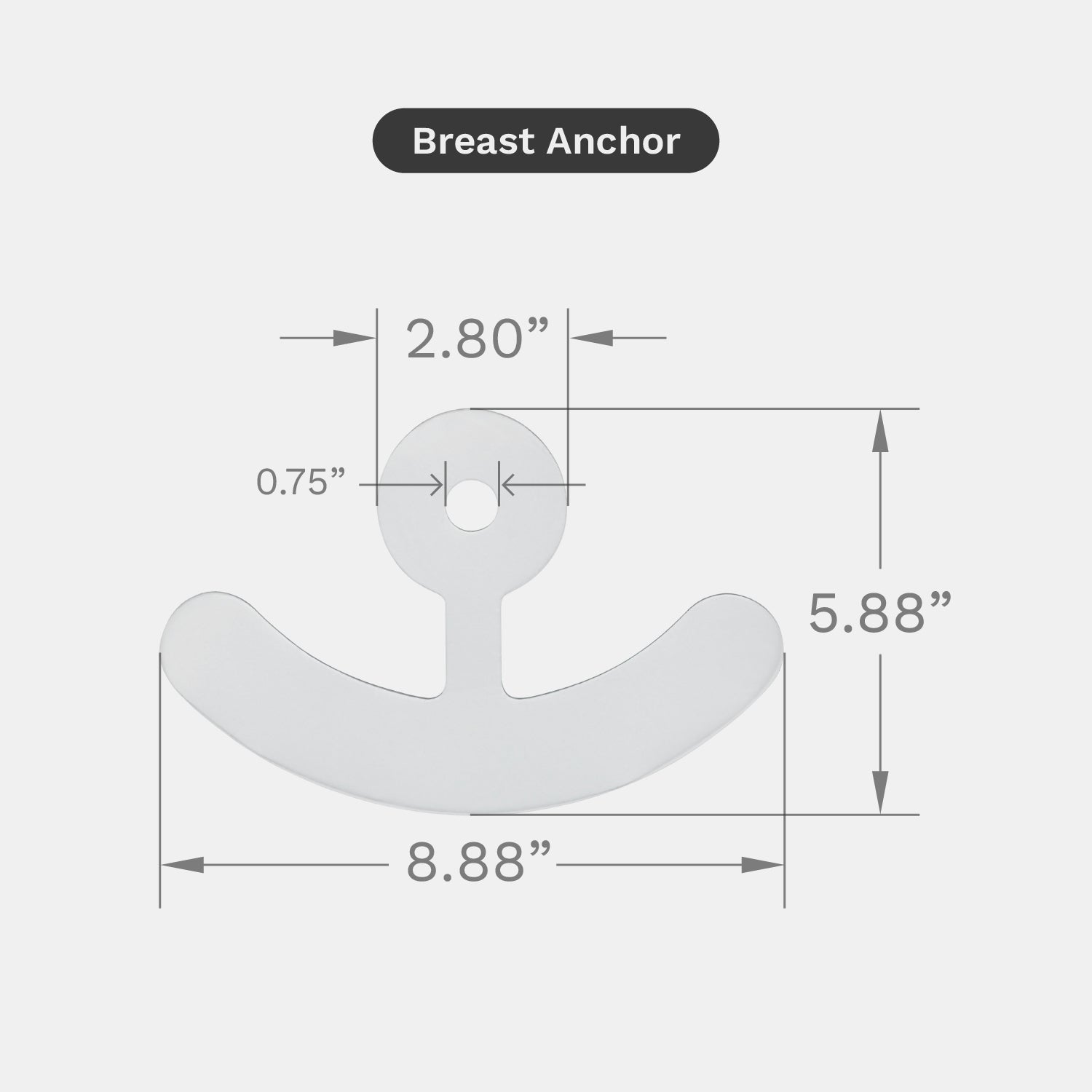
Scar Fx Silicone Sheeting – Applies gentle pressure and hydration to flatten and soften scar tissue
Medical-grade silicone is widely recognized as the gold standard for scar management. It helps:
-
Improve scar texture
-
Reduce redness
-
Minimize thickness
-
Support smoother healing
Creating the right healing environment early on can dramatically improve scar outcomes.
When to Talk to Your Doctor
While most pregnancy skin changes are harmless, consult your provider if you experience:
-
Severe itching (especially palms/soles)
-
Sudden rash
-
Painful swelling
-
Rapidly changing moles
These may require medical evaluation.
Pregnancy transforms your body — and your skin is no exception. While changes like pigmentation, stretch marks, acne, and dryness are common, many can be managed with thoughtful, pregnancy-safe skincare.
With consistent hydration, sun protection, and clinically supported scar care options like Rejuvaskin’s Stretch Mark Cream and Scar Heal Kit, you can support your skin through pregnancy and beyond.
Embrace this powerful season of life knowing your skin can be cared for just as beautifully as the new life you're growing.
Works Cited
Barankin, B., Silver, S., & Carruthers, A. (2002). The skin in pregnancy. Journal of Cutaneous Medicine and Surgery. Link
Errickson, C. V., & Matus, N. R. (1994). Skin disorders of pregnancy. American Family Physician. Link
Kumari, R., Jaisankar, T. J., & Thappa, D. (2007). A clinical study of skin changes in pregnancy. Indian Journal of Dermatology, Venereology, and Leprology. Link
Muallem, M., & Rubeiz, N. (2006). Physiological and biological skin changes in pregnancy. Clinics in Dermatology. Link
Leave a comment