






Scars tell stories — but they don’t have to define how you feel about your skin. Whether from surgery, injury, or a C-section, you deserve to heal confidently and comfortably. That’s where silicone scar sheets come in.
For over 30 years, medical-grade silicone has been trusted by doctors and patients as the gold standard in scar care. But what makes it so effective? Let’s take a closer look at the science behind it — and why Rejûvaskin’s Scar FX Silicone Sheets are designed to help your skin heal beautifully.
How Silicone Scar Sheets Work
Your skin heals best when it’s calm, hydrated, and protected. Silicone scar sheets help create that perfect healing environment.
Here’s how:
-
They lock in moisture. Silicone forms a breathable barrier over your scar, keeping the skin hydrated and flexible.
-
They calm overactive cells. Hydration helps regulate collagen production, preventing the thick, raised appearance of hypertrophic or keloid scars.
-
They protect from bacteria and friction. The sheet shields your skin from irritation, allowing it to heal in a smoother, flatter way.
Clinical research shows that silicone sheets can reduce scar thickness by up to 70%, helping scars become softer, flatter, and less noticeable over time (Tandara & Mustoe, 2008).
Why Silicone Is So Widely Recommended
Silicone isn’t just popular — it’s clinically proven. Studies show it reduces redness, improves texture, and minimizes discomfort.
Here’s what science says:
-
It restores balance. Silicone reduces water loss and keeps scars hydrated — a key part of preventing thick, itchy scars (Hoeksema & Vos, 2013).
-
It helps collagen remodel properly. By calming the skin’s repair response, silicone allows collagen to organize in a smoother pattern, improving appearance (Bleasdale & Finnegan, 2015).
-
It’s safe and non-invasive. Silicone therapy has been a first-line treatment for scar management for decades (Mustoe, 2020).
Silicone Sheets vs. Silicone Gel: What’s the Difference?
Both silicone sheets and gels help scars heal, but the way you use them can make a difference.
-
Silicone Sheets: Best for larger, flatter scars (surgical or burn scars). They stay in place, offering continuous protection and moisture.
-
Silicone Gel: Great for smaller or hard-to-reach areas (like joints or the face). It dries into a flexible, invisible layer.
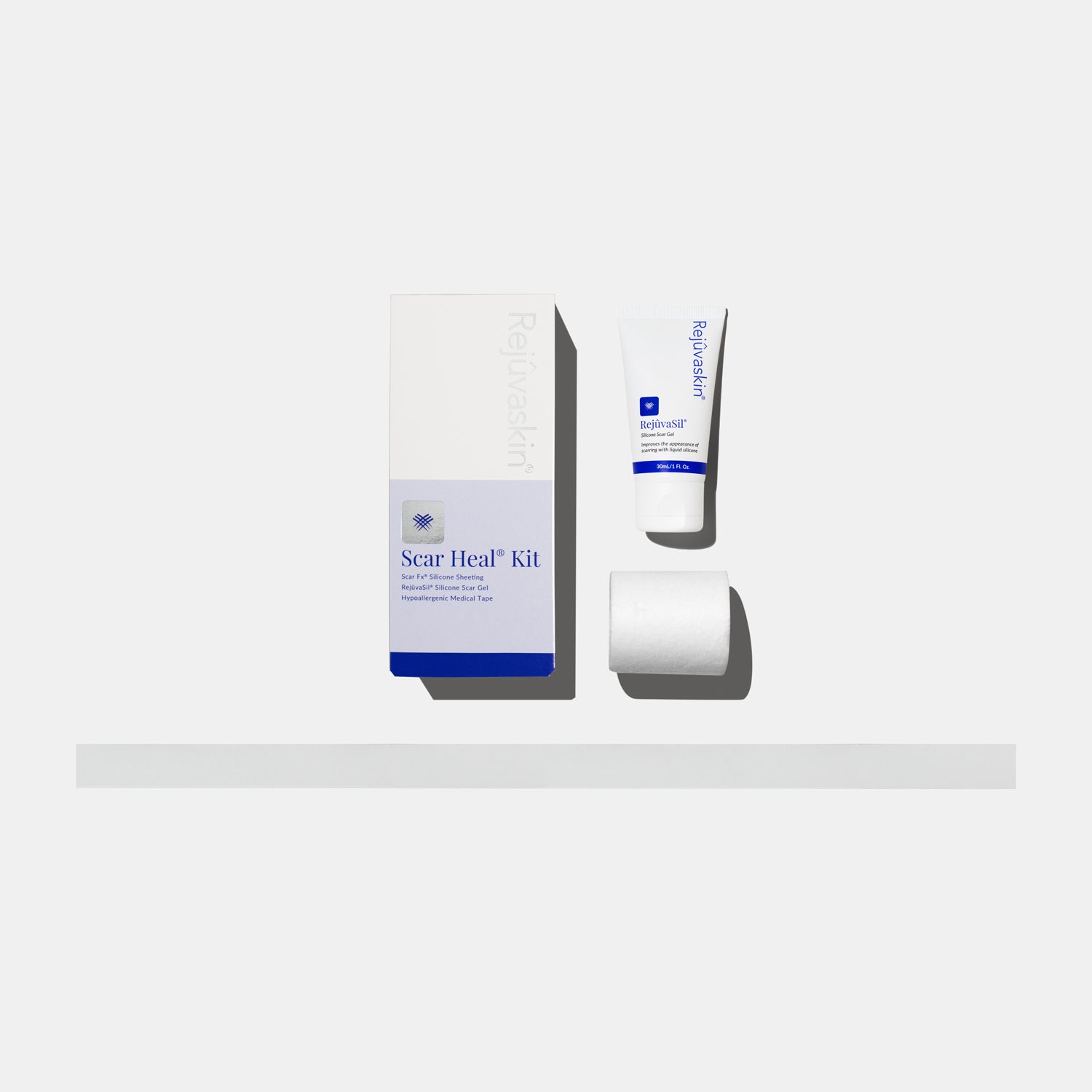
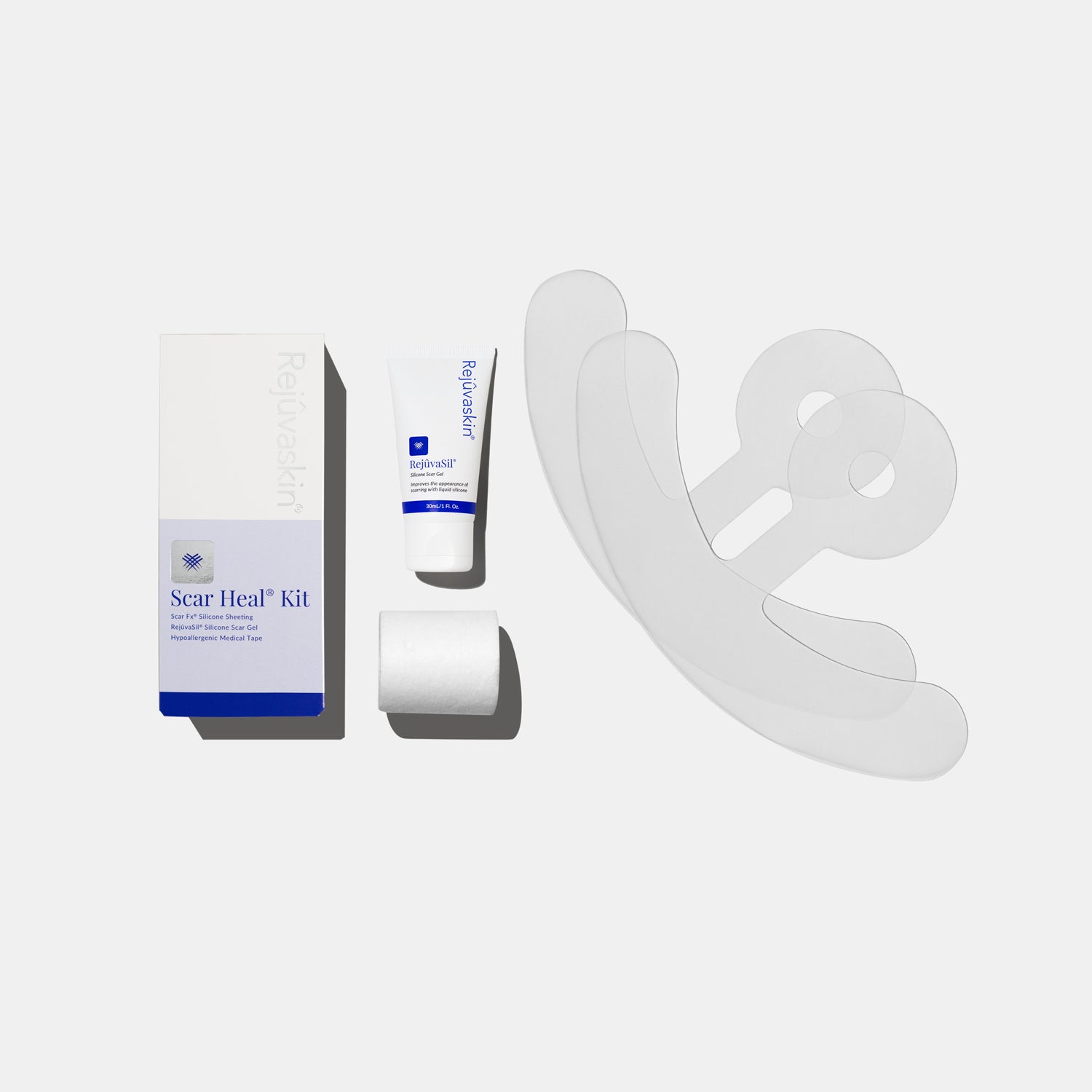
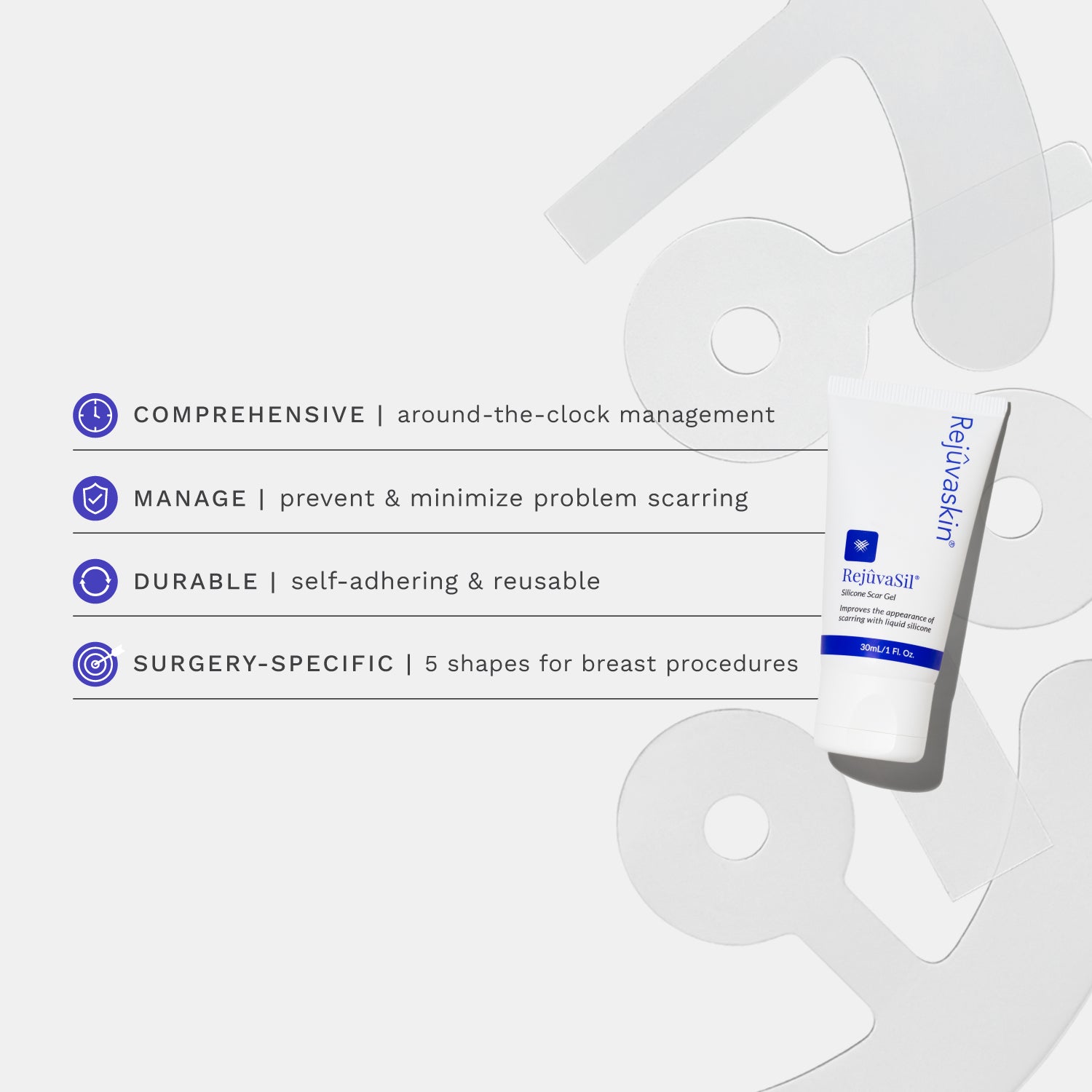
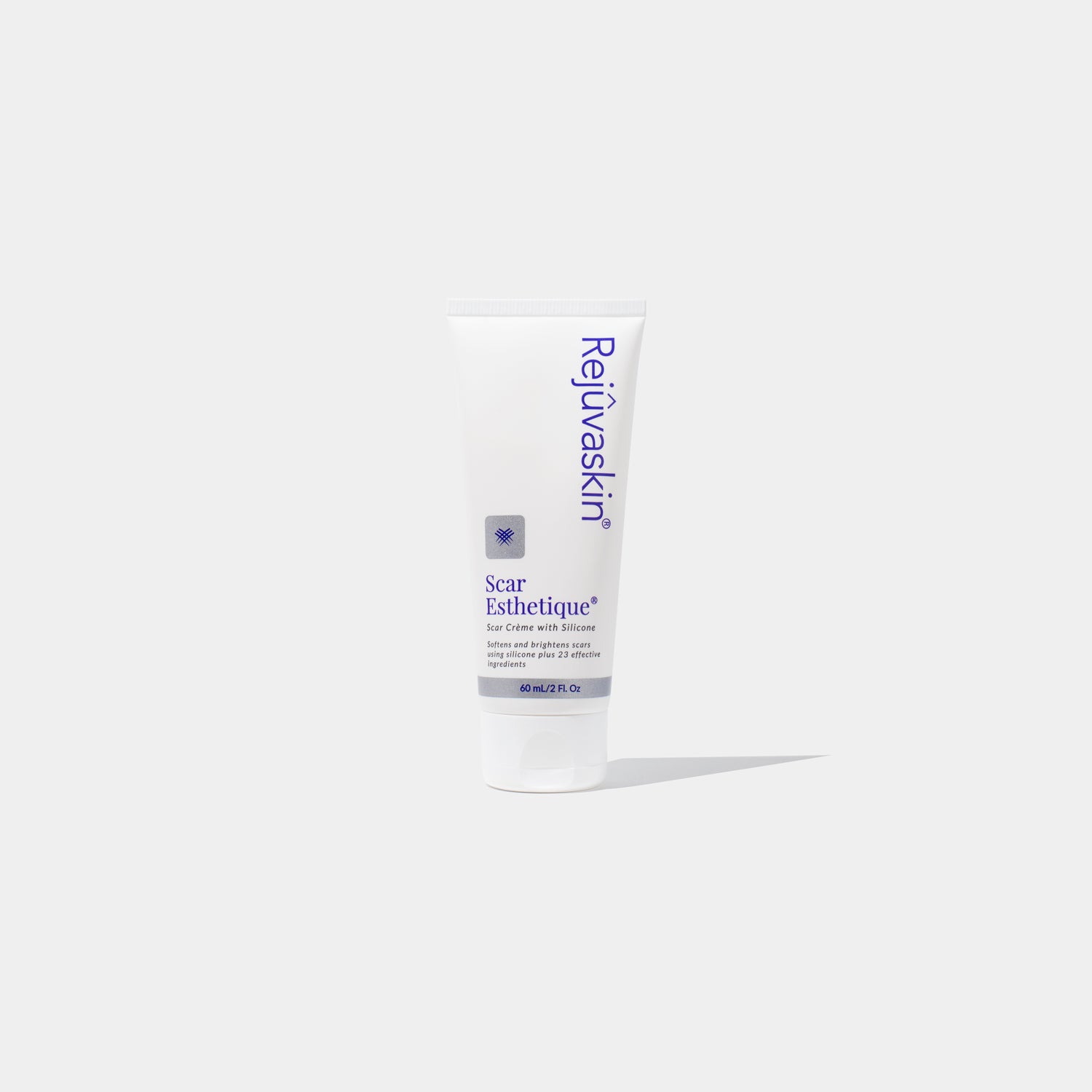
For many people, combining both gives the best results — using Scar FX Silicone Sheets overnight and RejûvaSil Silicone Scar Gel during the day for 24-hour scar care.
Why Rejûvaskin’s Scar FX Makes a Difference
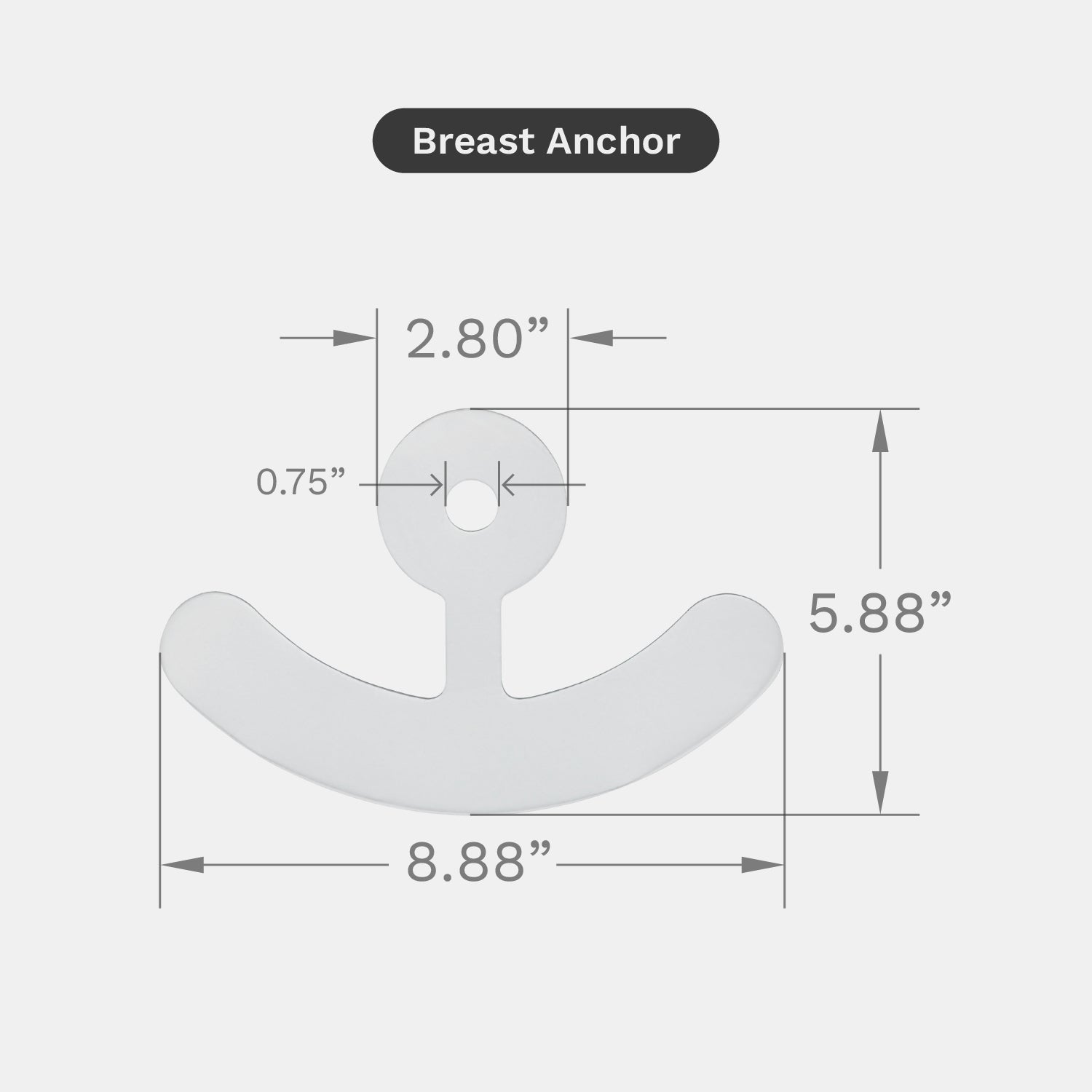
Rejûvaskin’s Scar FX Silicone Sheets are designed with comfort and science in mind. Each sheet is made from 100% medical-grade silicone, trusted by surgeons and dermatologists worldwide.
What makes them special:
-
Soft and flexible for all-day comfort
-
Safe for sensitive or post-surgical skin
-
Washable and reusable for up to 45 days
-
Clinically proven to soften, flatten, and fade scars
Used together with RejûvaSil Scar Gel, they help you manage scars confidently — so your skin can heal with strength and grace.
Silicone scar sheets aren’t just a skincare trend — they’re one of the most researched, doctor-recommended tools for scar recovery. They hydrate, protect, and restore your skin’s natural balance so that scars fade over time.
If you’re ready to support your skin’s healing journey, Rejûvaskin’s Scar FX and RejûvaSil give you the proven, gentle care your skin deserves.
Works Cited
-
Bleasdale, B., & Finnegan, S. (2015). The Use of Silicone Adhesives for Scar Reduction. Advances in Wound Care. Link
-
Hoeksema, H., & Vos, M. (2013). Scar Management by Means of Occlusion and Hydration: A Comparative Study of Silicones versus a Hydrating Gel-Cream. Burns Journal. Link
-
Tandara, A. A., & Mustoe, T. A. (2008). The Role of the Epidermis in the Control of Scarring: Evidence for Mechanism of Action for Silicone Gel. Journal of Plastic, Reconstructive & Aesthetic Surgery. Link
-
Mustoe, T. A. (2020). Silicone Gel for Scar Prevention. Textbook on Scar Management. Link
Leave a comment