

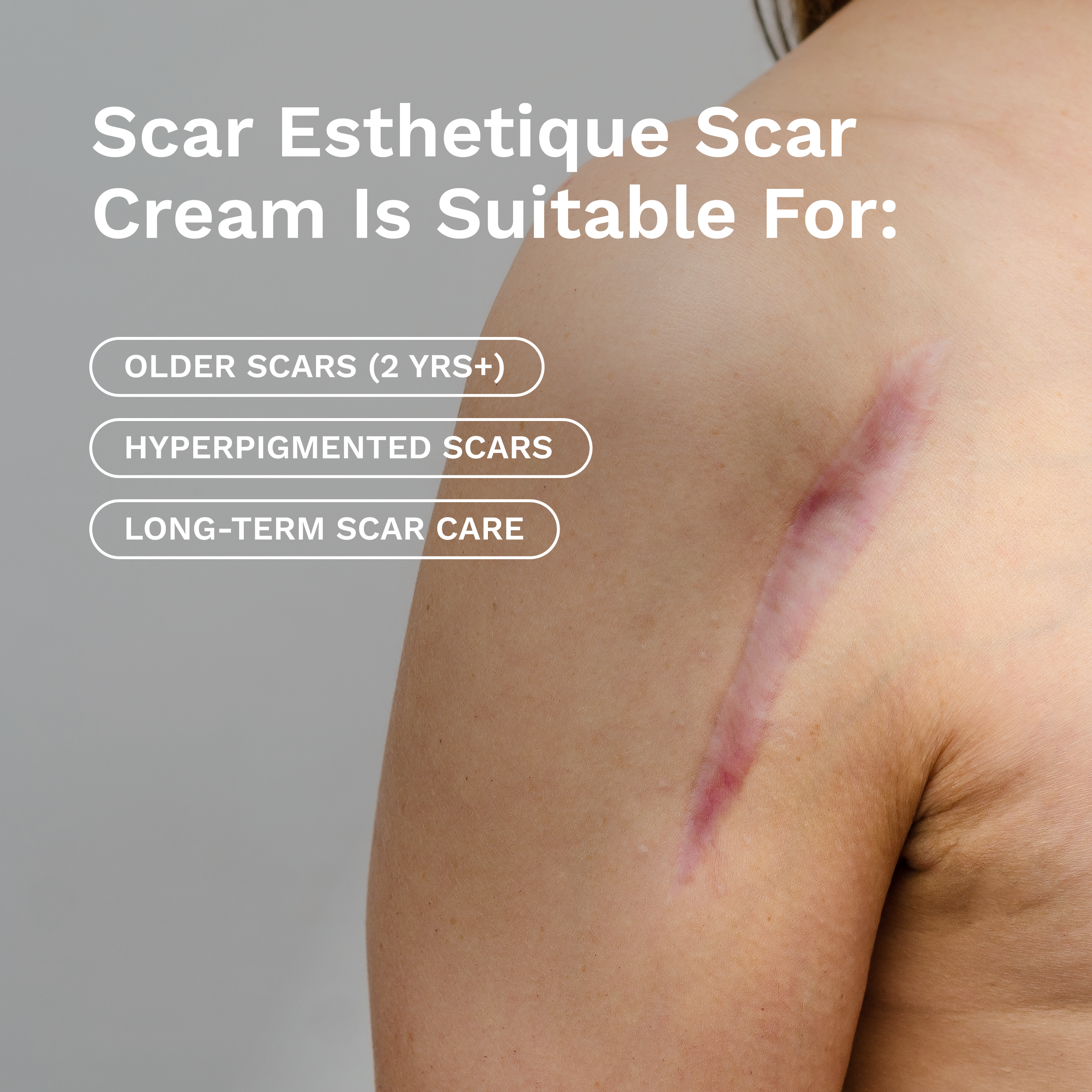




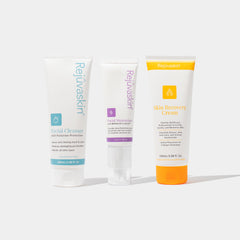

Scars are part of the body’s natural healing process—but for many, they can be a lasting reminder of injury or surgery. Whether you’re dealing with a new wound or an old keloid, finding effective ways to reduce scar visibility naturally can make a real difference.
At Rejuvaskin, we believe in combining science and nature to promote optimal skin recovery. Natural remedies, when supported by research, can complement professional treatments and help improve scar texture, color, and elasticity.
According to Rejuvaskin’s Ultimate Guide to Scar Healing, consistent care and barrier repair are key to achieving the best long-term results.
Understanding Natural Remedies for Scar Healing
Modern studies have begun validating what traditional medicine has known for centuries—certain plant-based ingredients and manual therapies can promote healing, reduce inflammation, and improve scar appearance.
For instance, natural products such as onion extract, vitamin E, green tea, and Centella asiatica (Gotu kola) have shown promise in managing hypertrophic and keloid scars by modulating collagen synthesis and promoting tissue regeneration (Meetam et al., 2024).
Herbal Treatments That Support Scar and Keloid Healing
1. Aloe Vera
Aloe vera contains polysaccharides that enhance fibroblast activity and collagen deposition, helping new tissue form while keeping scars supple. Studies show it reduces inflammation and oxidative stress, improving overall healing outcomes (Maden et al., 2018).
2. Gotu Kola (Centella asiatica)
Gotu kola’s triterpenoids—asiaticoside and madecassoside—stimulate collagen synthesis and angiogenesis, reducing the thickness and discoloration of scars (Meetam et al., 2024).
3. Onion Extract
A classic in over-the-counter scar gels, onion extract helps flatten and soften scars by regulating fibroblast proliferation and minimizing excess collagen formation (Basson & Bayat, 2022).
4. Chamomile and Green Tea Extracts
Rich in antioxidants and flavonoids, chamomile and green tea reduce redness, inflammation, and oxidative stress, contributing to smoother and more even-toned skin (McKay & Blumberg, 2006).
5. Vitamin E and Natural Oils
Vitamin E, rosehip oil, and jojoba oil are often used to moisturize scar tissue and support elasticity. Their lipid content helps restore the skin barrier and prevent excessive dryness, especially during the remodeling phase of healing.
Massage Techniques for Scar Softening
Gentle scar massage can improve circulation and help remodel collagen fibers.
Research in complementary medicine suggests that consistent, circular massage using natural oils may reduce stiffness and hypertrophy in scar tissue (Zanier & Bordoni, 2015).
How to do it:
-
Use clean hands and apply gentle pressure with a natural moisturizer or oil.
-
Move in small, circular motions for 5–10 minutes daily.
-
Be consistent, but avoid massaging freshly closed wounds.
Lifestyle Tips for Better Scar Healing
-
Stay Hydrated and Nourished – Vitamins C and A, zinc, and protein are essential for collagen production and tissue repair.
-
Protect from Sun Exposure – UV rays can darken scars; use SPF daily.
-
Manage Inflammation and Stress – Chronic stress can delay wound healing; relaxation techniques can improve skin recovery.
-
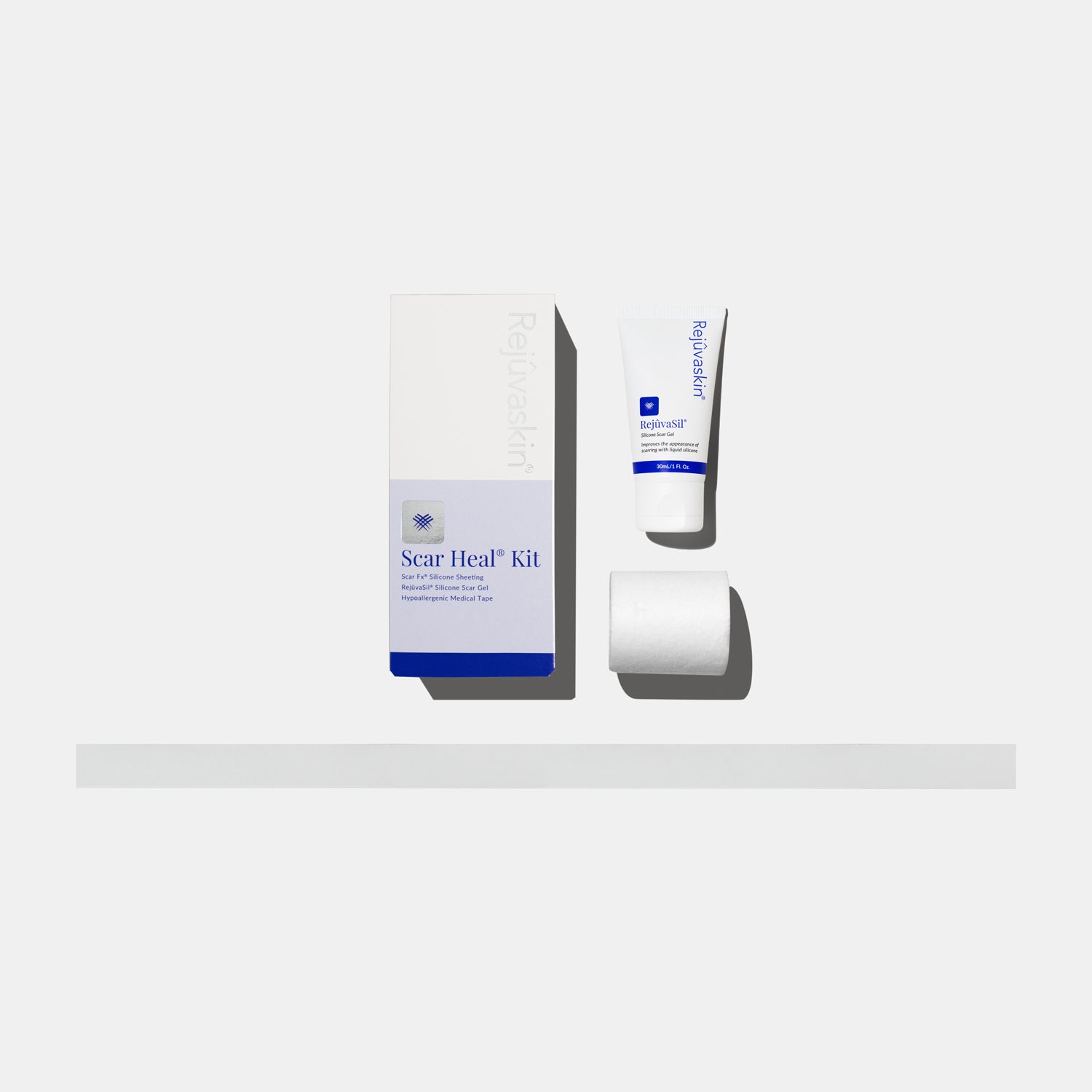
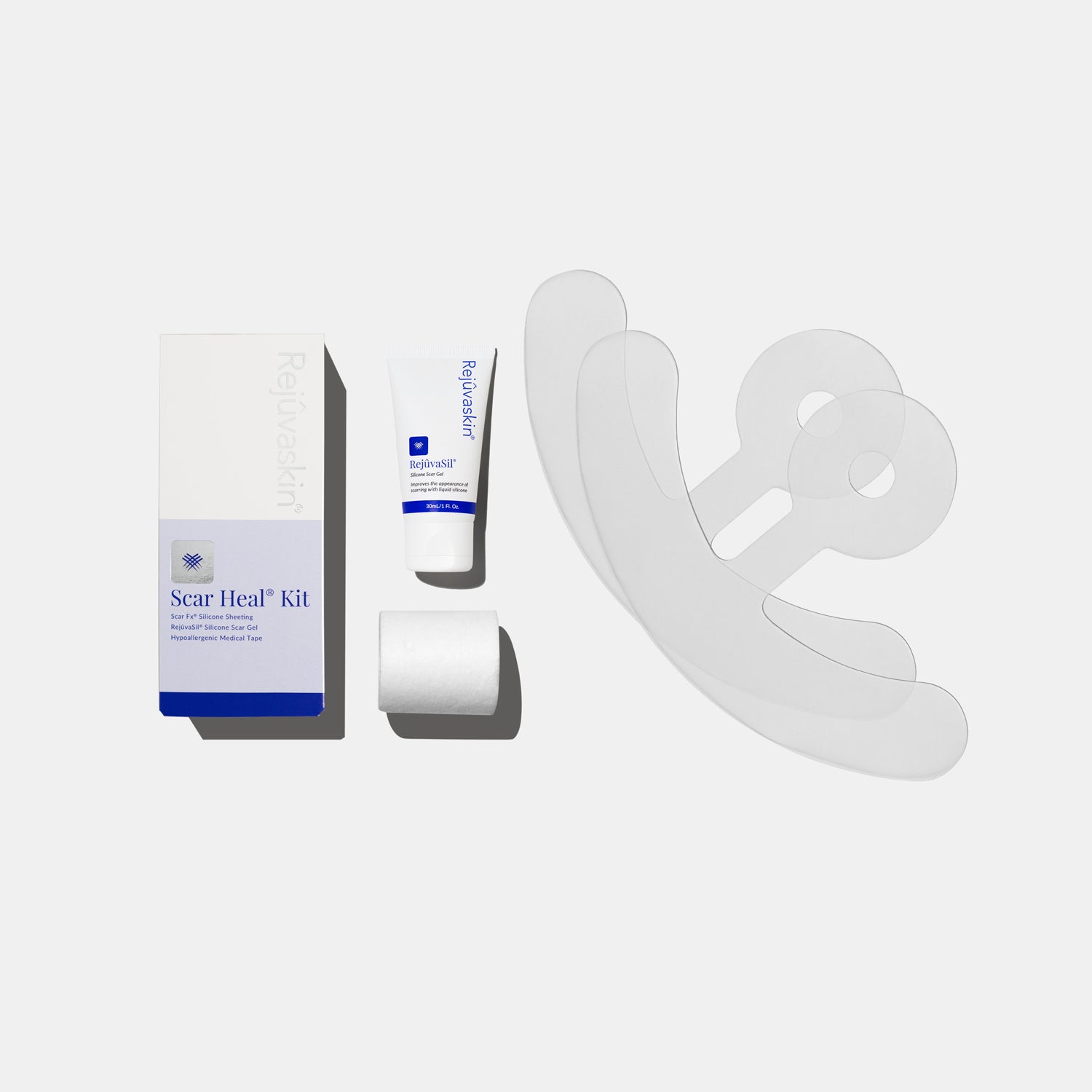
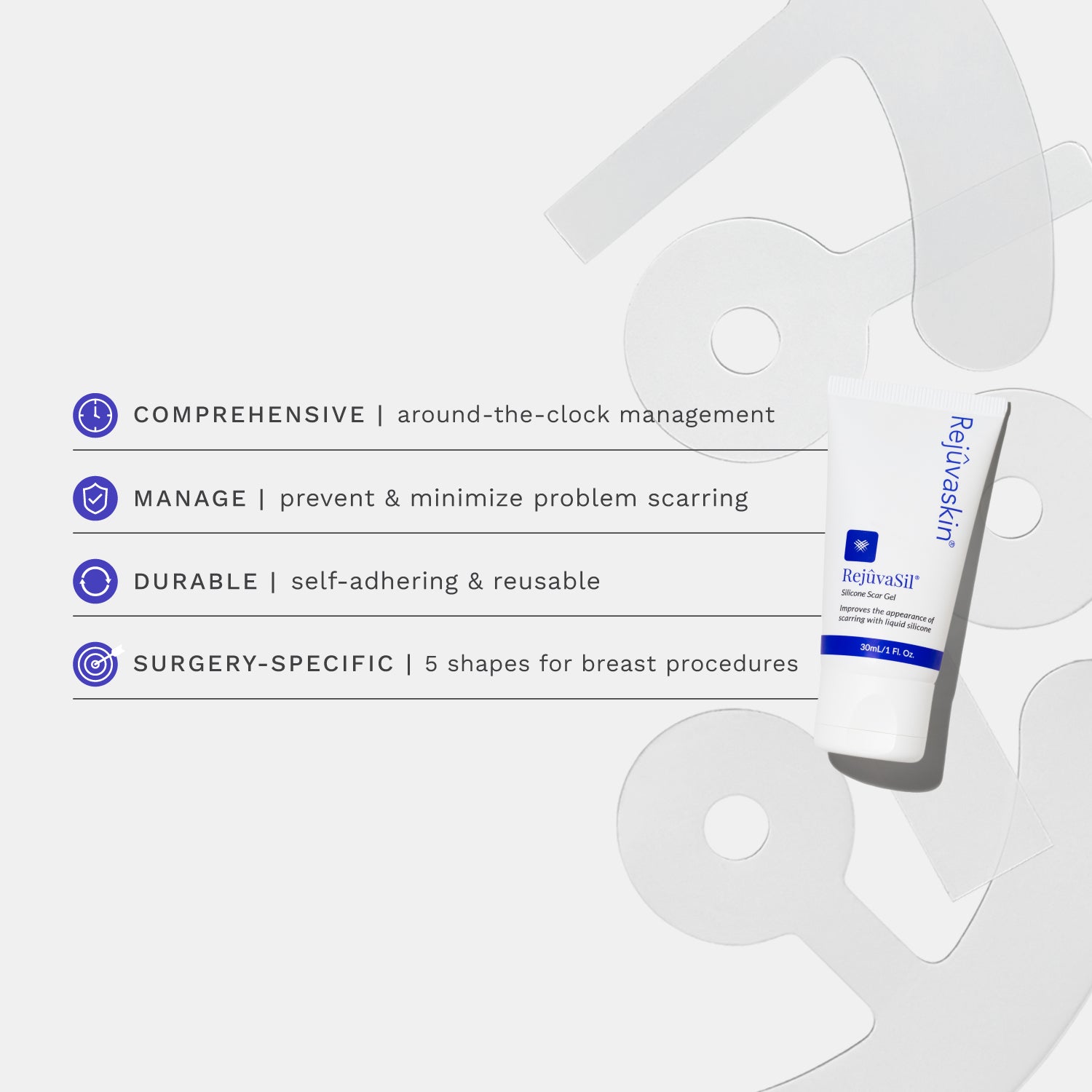
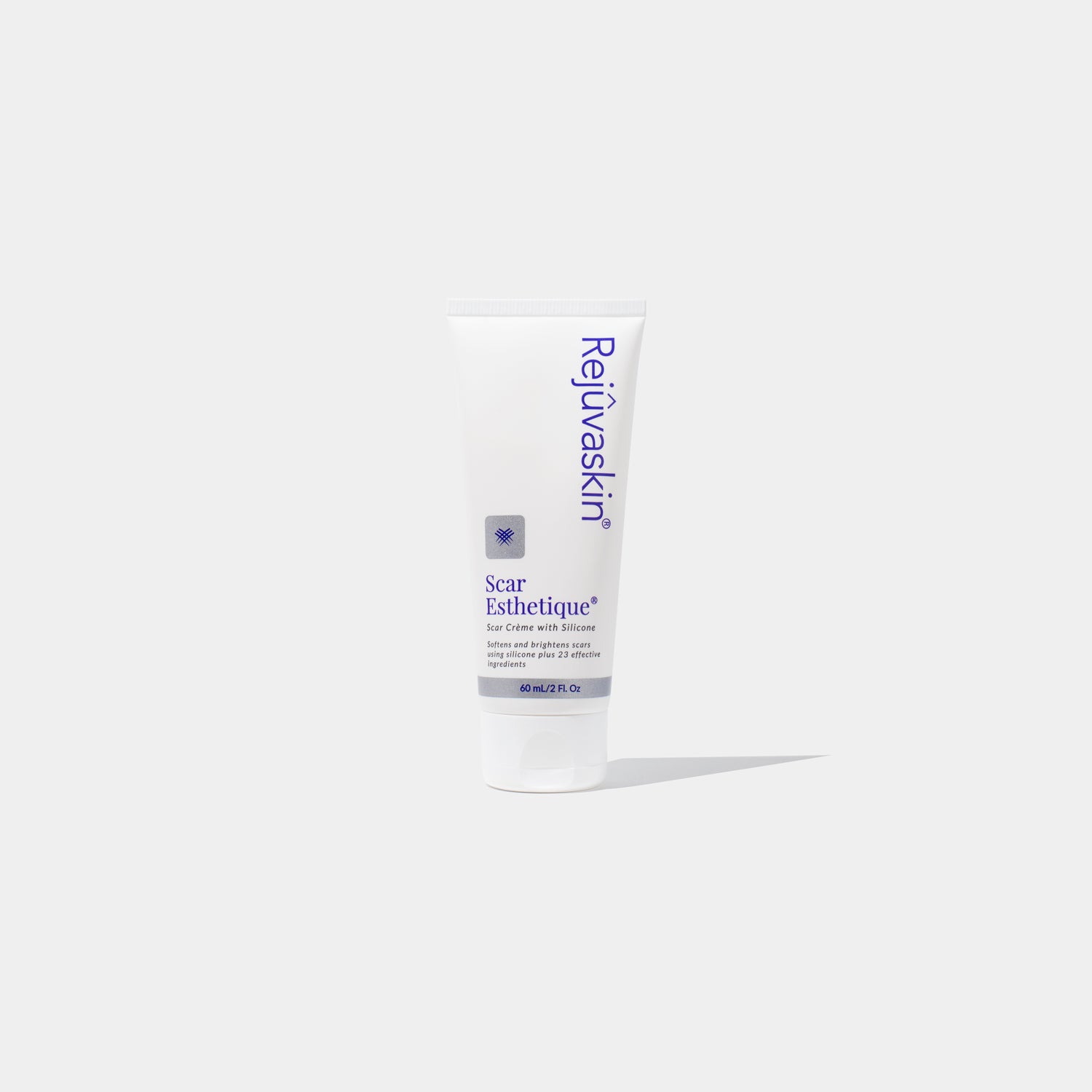
Consistency Is Key – Regular care with proven products, such as Rejuvaskin Scar Heal Kit, can help minimize scar visibility over time.
Natural remedies are not quick fixes—but when used consistently, they can support the body’s healing process, reduce inflammation, and improve the texture and color of scars and keloids.
Pairing herbal ingredients and gentle massage with clinically tested products like Rejuvaskin Skin Recovery Cream or Scar Heal System ensures a balanced approach that respects both nature and science.
Works Cited
-
Basson, R., & Bayat, A. (2022). Skin scarring: Latest update on objective assessment and optimal management. Link
-
Maden, S., Çalıkoğlu, E., & Bodamyalızade, P. (2018). Herbal therapy for burns and burn scars. Link
-
McKay, D. L., & Blumberg, J. (2006). A review of the bioactivity and potential health benefits of chamomile tea (Matricaria recutita L.). Link
-
Meetam, T., Angspatt, A., & Aramwit, P. (2024). Evidence of potential natural products for the management of hypertrophic scars. Link
-
Zanier, E., & Bordoni, B. (2015). A multidisciplinary approach to scars: A narrative review. Link
Leave a comment