






We spend about one-third of our lives asleep — yet few realize how much our sleeping position can impact our skin. If you’ve ever woken up with deep lines on your cheeks or around your eyes, you’ve seen the early signs of “pillow scars”or sleep wrinkles. Over time, these can become permanent creases that contribute to visible aging.
At Rejuvaskin, we believe that rest should restore your skin — not damage it. Let’s explore what causes pillow scars, what the science says, and how you can protect your skin while you sleep.
What Are Pillow Scars?
Pillow scars form from repeated compression and stretching of facial skin during sleep. When you sleep on your side or stomach, your face presses against your pillow, causing mechanical stress that breaks down collagen and elastin over time (Anson & Kane, 2016).
Unlike expression lines — which form from muscle movement — sleep wrinkles are caused by pressure. They tend to appear vertically on the cheeks, chin, and around the eyes, exactly where your face contacts your pillow (Sarιfakιoğlu & Terzioğlu, 2004).
The Science of Sleep Wrinkles
Research confirms that your sleeping habits and pillow materials can directly affect your skin’s aging process:
-
Sleep position matters: Anti-wrinkle pillows that reduce facial pressure can decrease wrinkle density by up to 12% in just 28 days (Poljšak & Godic, 2016).
-
Fabric choice counts: Copper-infused fabrics can reduce fine lines and improve overall skin texture by stimulating collagen (Borkow & Gabbay, 2009).
-
Genetics play a role: Variants in the MC1R gene are linked to a higher risk of developing sleep lines in Caucasian women (Jdid & Ezzedine, 2014).
How to Prevent Pillow Scars
1. Sleep Smarter
Try to sleep on your back to minimize facial compression. If that’s uncomfortable, use a contoured or anti-wrinkle pillow to reduce side pressure (Renton & Keefe, 2015).
2. Upgrade Your Pillowcase
Opt for silk or copper-infused pillowcases that minimize friction and protect skin elasticity.
3. Hydrate and Strengthen
Apply a barrier-supportive moisturizer before bed. Hydrated skin is less likely to develop compression lines overnight.
4. Prevent and Correct Pillow Scars with Rejuvaskin’s Silicone Solutions
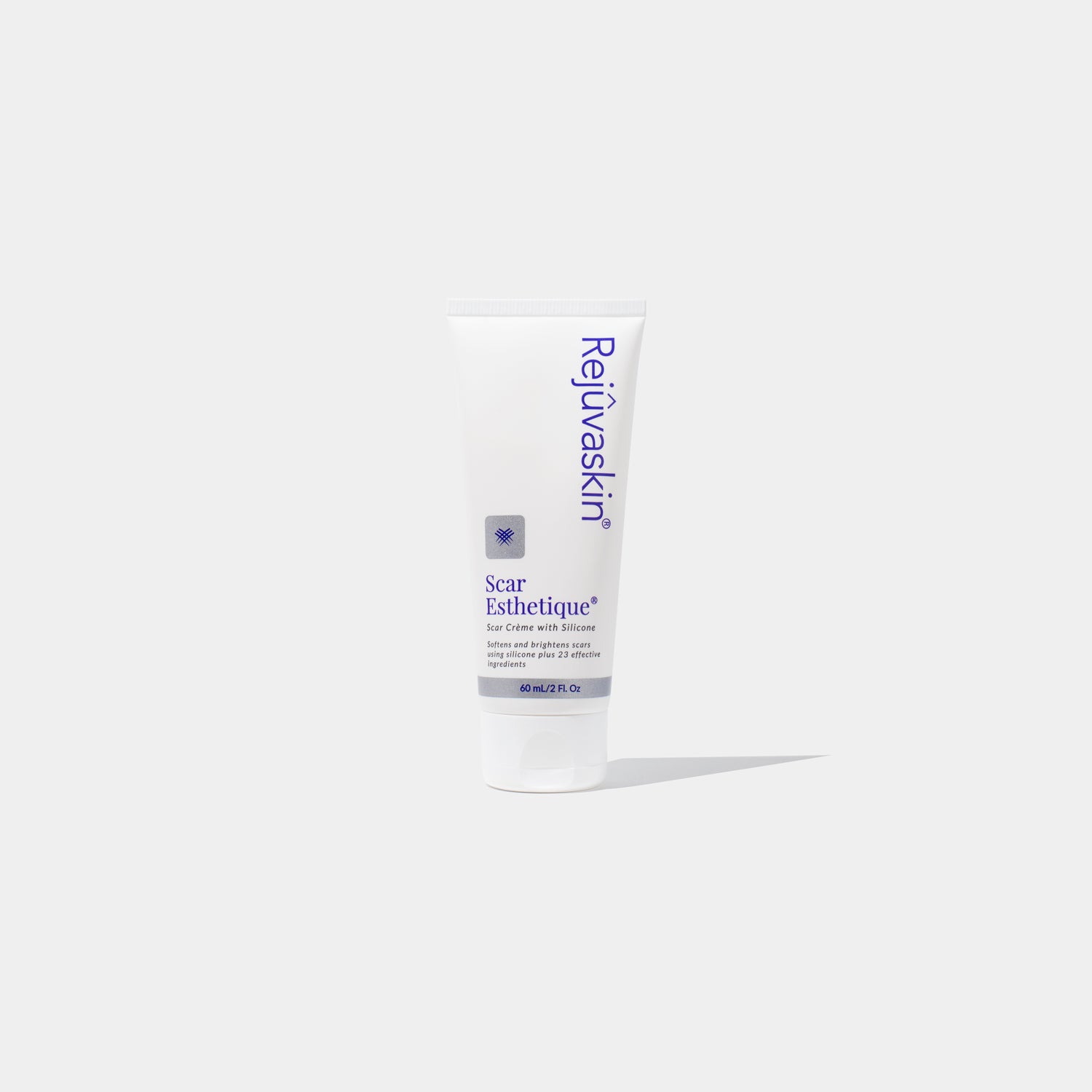
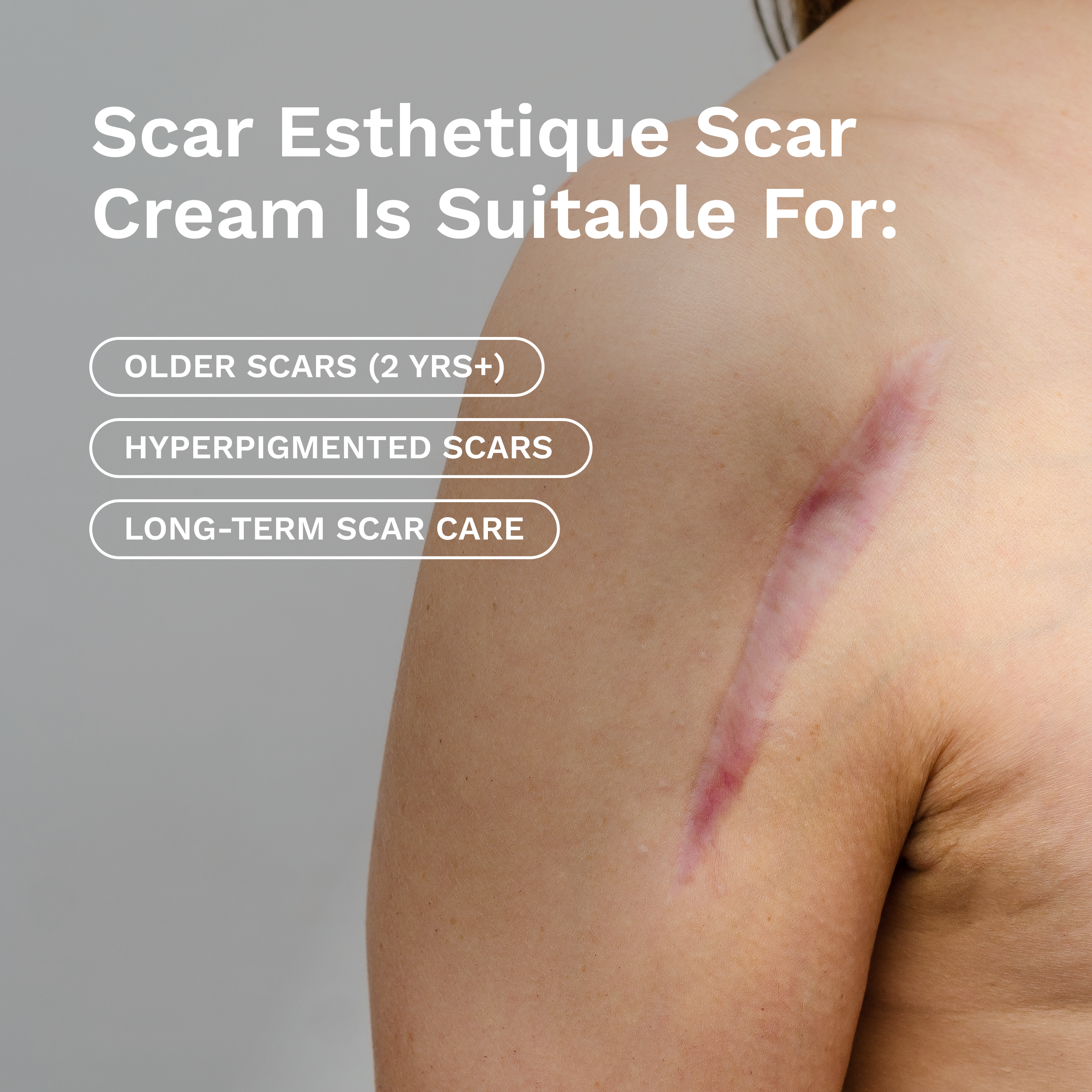
If sleep wrinkles have already formed — or if you want to protect skin prone to creasing or scarring — Rejuvaskin’s medical-grade silicone products can help restore smoothness and flexibility.
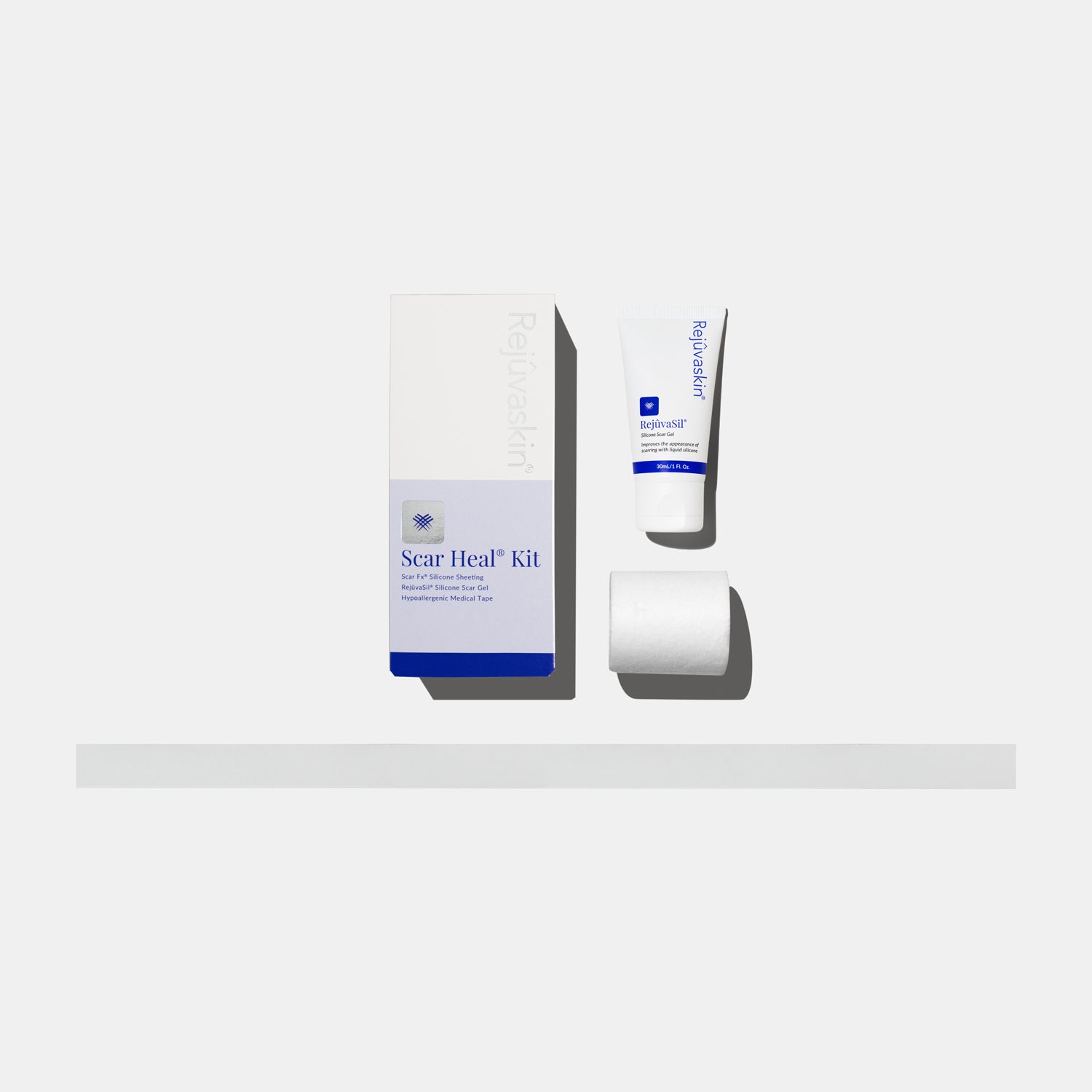
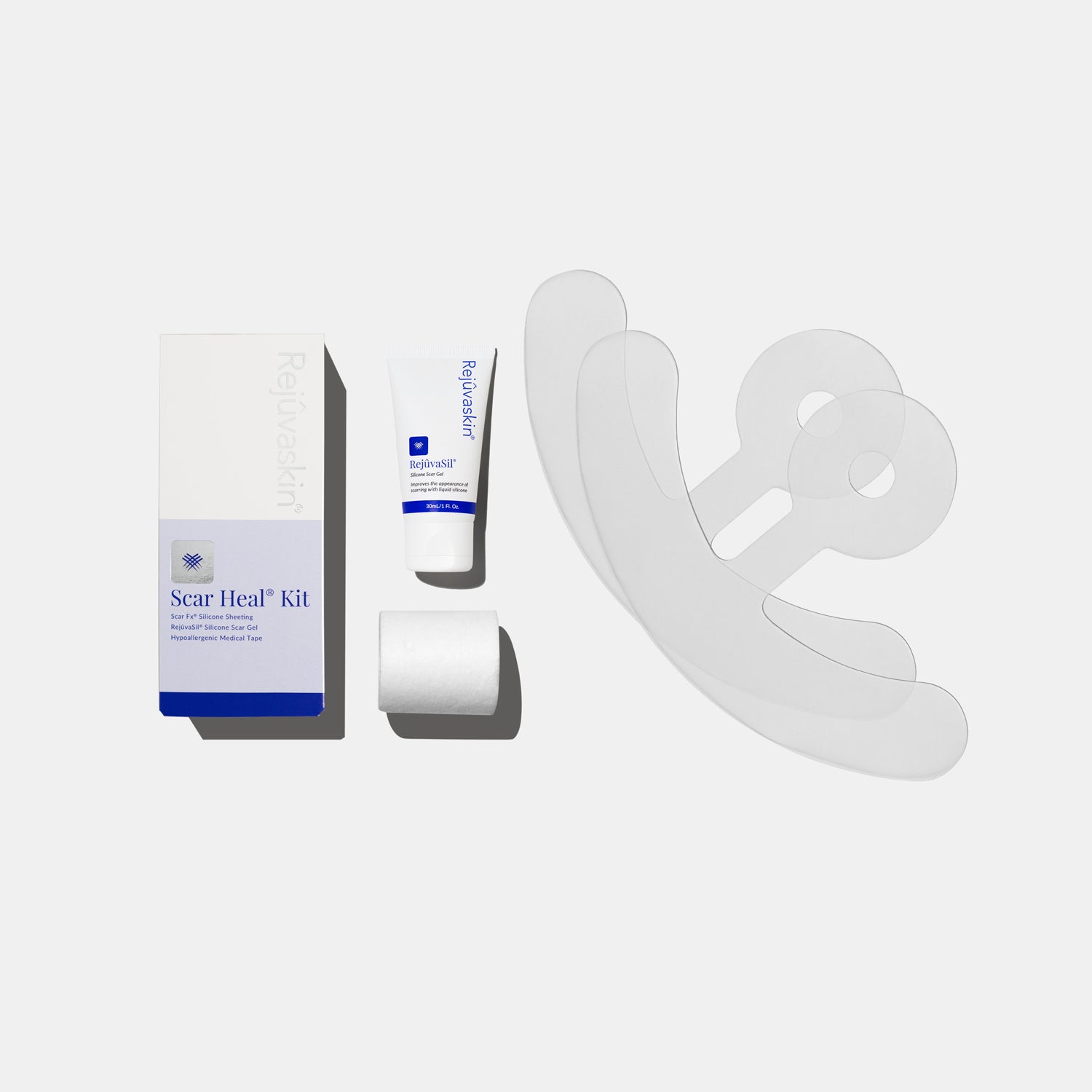
RejuvaSil® Silicone Scar Gel
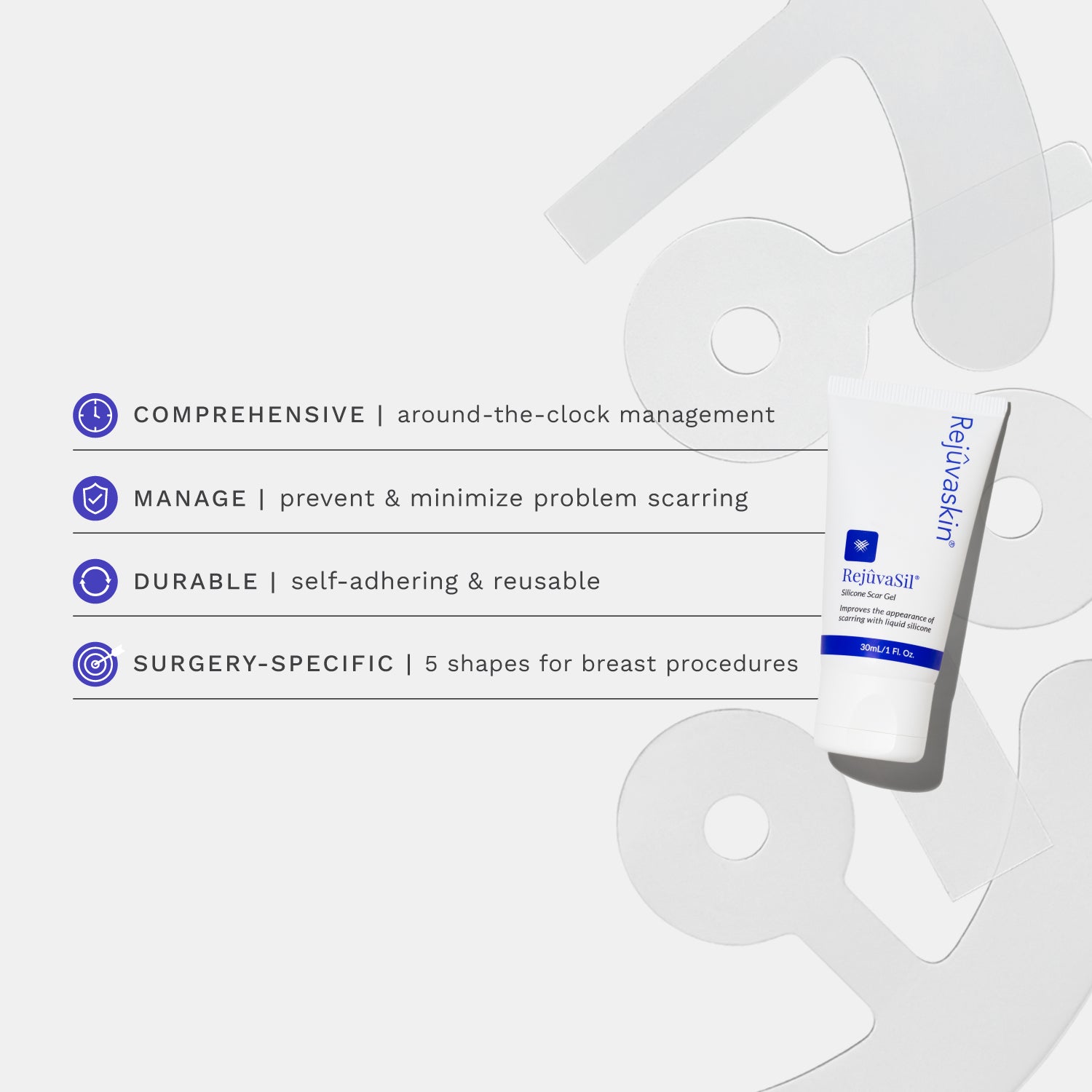
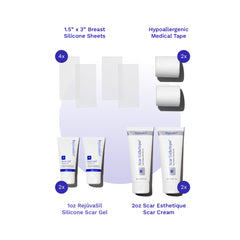
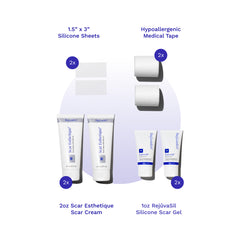
RejuvaSil® works to soften, flatten, and fade scars by creating a breathable silicone barrier that locks in hydration and improves skin texture. Apply before bed to support collagen repair overnight.
Scar FX® Silicone Sheeting
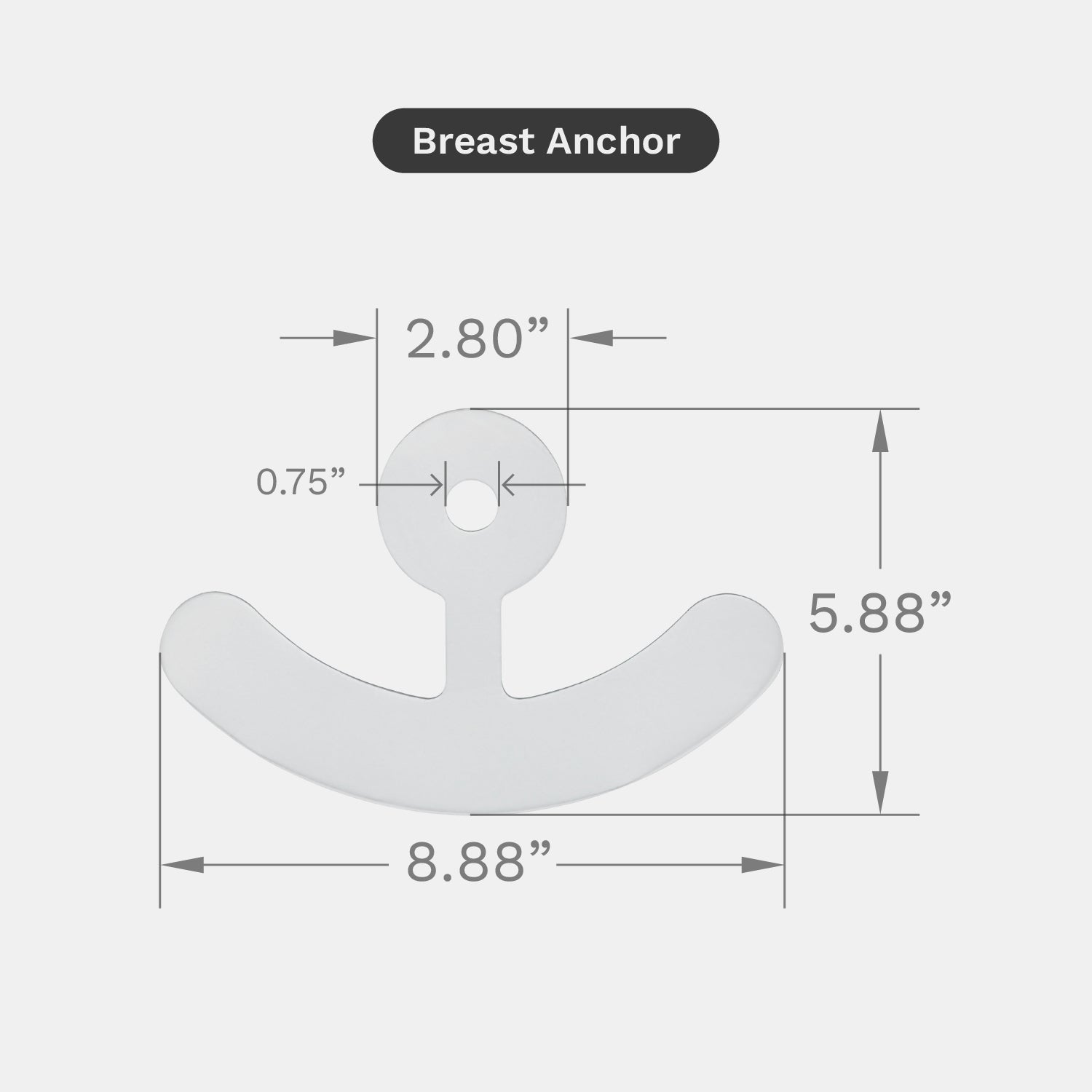
Scar FX® Silicone Sheeting offers continuous protection and hydration throughout the night. Its flexible design conforms to facial contours to help reduce visible creases and prevent new sleep wrinkles.
The Rejuvaskin Difference
At Rejuvaskin, we’ve spent over 30 years helping people restore confidence in their skin. From surgical scars to fine lines caused by sleep compression, our products combine medical-grade science with skin-loving care — so your skin can heal beautifully.
By pairing healthy sleep habits with silicone-based repair products like RejuvaSil® and Scar FX®, you can protect your skin’s structure, reduce pillow scars, and wake up looking refreshed every day.
Sleep should smooth — not scar.
Let Rejuvaskin help your skin recover while you rest.
Explore more at Rejuvaskin.com
Works Cited
Anson, G., & Kane, M. A. (2016). Sleep wrinkles: Facial aging and facial distortion during sleep. Aesthetic Surgery Journal, 36(8), 931–940. Link
Borkow, G., & Gabbay, J. (2009). Improvement of facial skin characteristics using copper oxide containing pillowcases: A double‐blind, placebo‐controlled, parallel, randomized study. International Journal of Cosmetic Science, 31, 1–7. Link
Jdid, R., & Ezzedine, K. (2014). MC1R major variants are a risk factor of sleep lines in Caucasian women. Journal of the European Academy of Dermatology and Venereology, 28, 1–6. Link
Poljšak, B., & Godic, A. (2016). The neglected importance of sleep on the formation and aggravation of facial wrinkles and their prevention. Journal of Cosmetics, Dermatological Sciences and Applications, 6(3), 96–99. Link
Renton, K., & Keefe, B. (2015). Treating and preventing tissue shift and wrinkles caused by compression. Journal of Aesthetic Nursing, 4(2), 60–65. Link
Sarιfakιoğlu, N., & Terzioğlu, A. (2004). A new phenomenon: “Sleep lines” on the face. Scandinavian Journal of Plastic and Reconstructive Surgery and Hand Surgery, 38, 244–247. Link
Leave a comment