

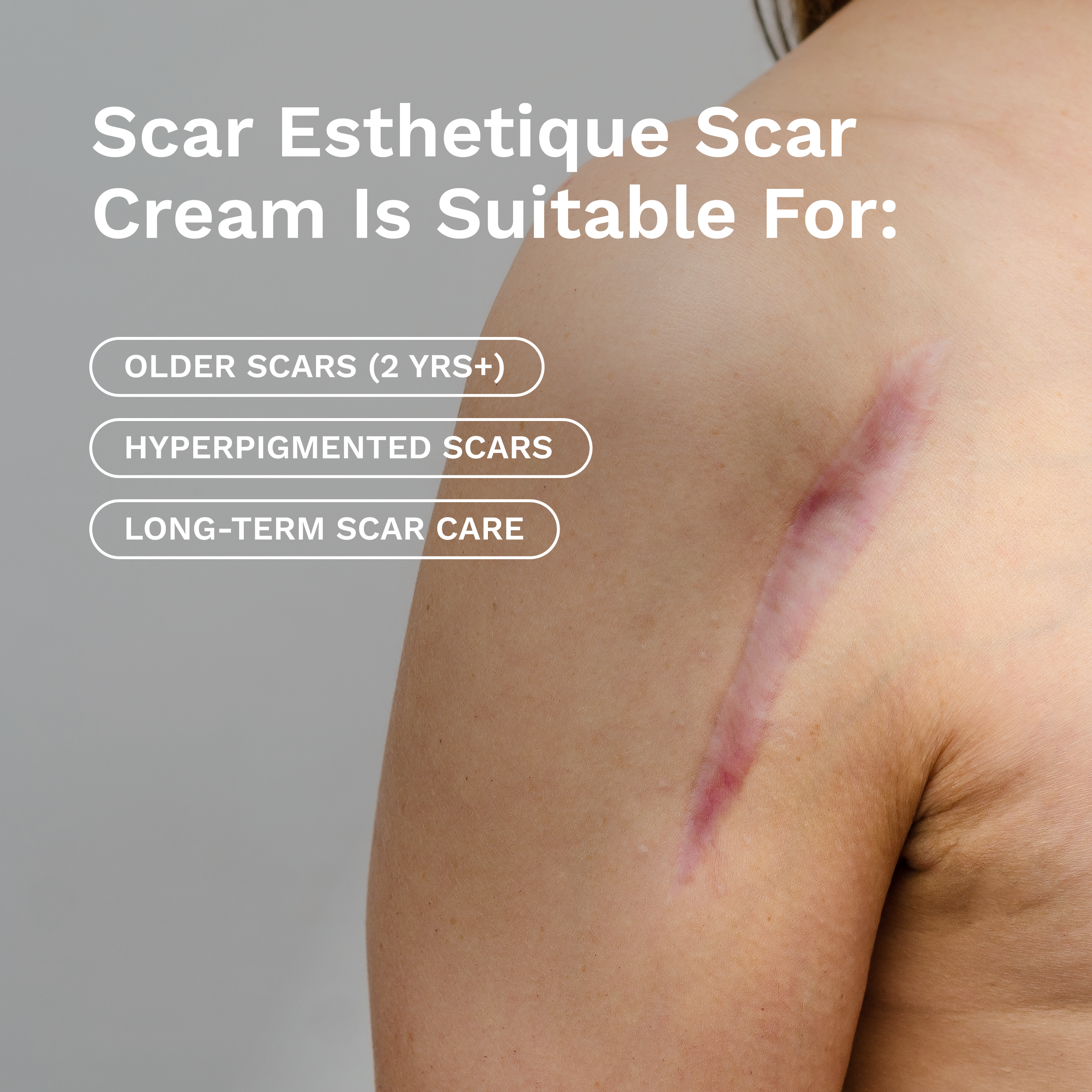






Most of us think of scars as something that just happens — the inevitable result of an accident, acne breakout, or surgical incision. But did you know that many scars can actually be minimized or even prevented through small, consistent habits?
At Rejuvaskin, we believe great skin starts with everyday care. From sun exposure to hydration, your daily routine plays a powerful role in how your skin heals. Let’s explore 7 surprising habits that can help prevent unwanted scars and keep your skin smooth, healthy, and confident.
1. Don’t Skip the Sunscreen — Even Indoors
UV exposure is one of the most overlooked factors in scar development. Sunlight can darken scars, delay collagen repair, and lead to long-term discoloration — even if you’re indoors near windows or digital screens.
That’s why we recommend daily use of Rejuvaskin Mineral Facial Sunscreen. It’s formulated with broad-spectrum SPF 32 protection, zinc oxide, and antioxidants that defend healing skin from harmful UV rays without irritation.
The lightweight, mineral-based formula also soothes redness and protects sensitive areas recovering from wounds, blemishes, or cosmetic procedures.
Daily sun protection helps scars fade evenly, prevents hyperpigmentation, and keeps your skin tone smooth and balanced (Renton & Keefe, 2015).
2. Keep Healing Skin Clean — Not Overwashed
Over-cleansing can strip away natural oils and delay your skin’s natural repair process. Instead, gently cleanse healing areas with a mild, fragrance-free cleanser once or twice daily. Pat the skin dry — don’t rub — to avoid friction that can reopen fragile tissue or cause irritation.
3. Use Medical-Grade Silicone Early
Medical-grade silicone is one of the most clinically proven methods for scar prevention and management (Poljšak & Godic, 2015).
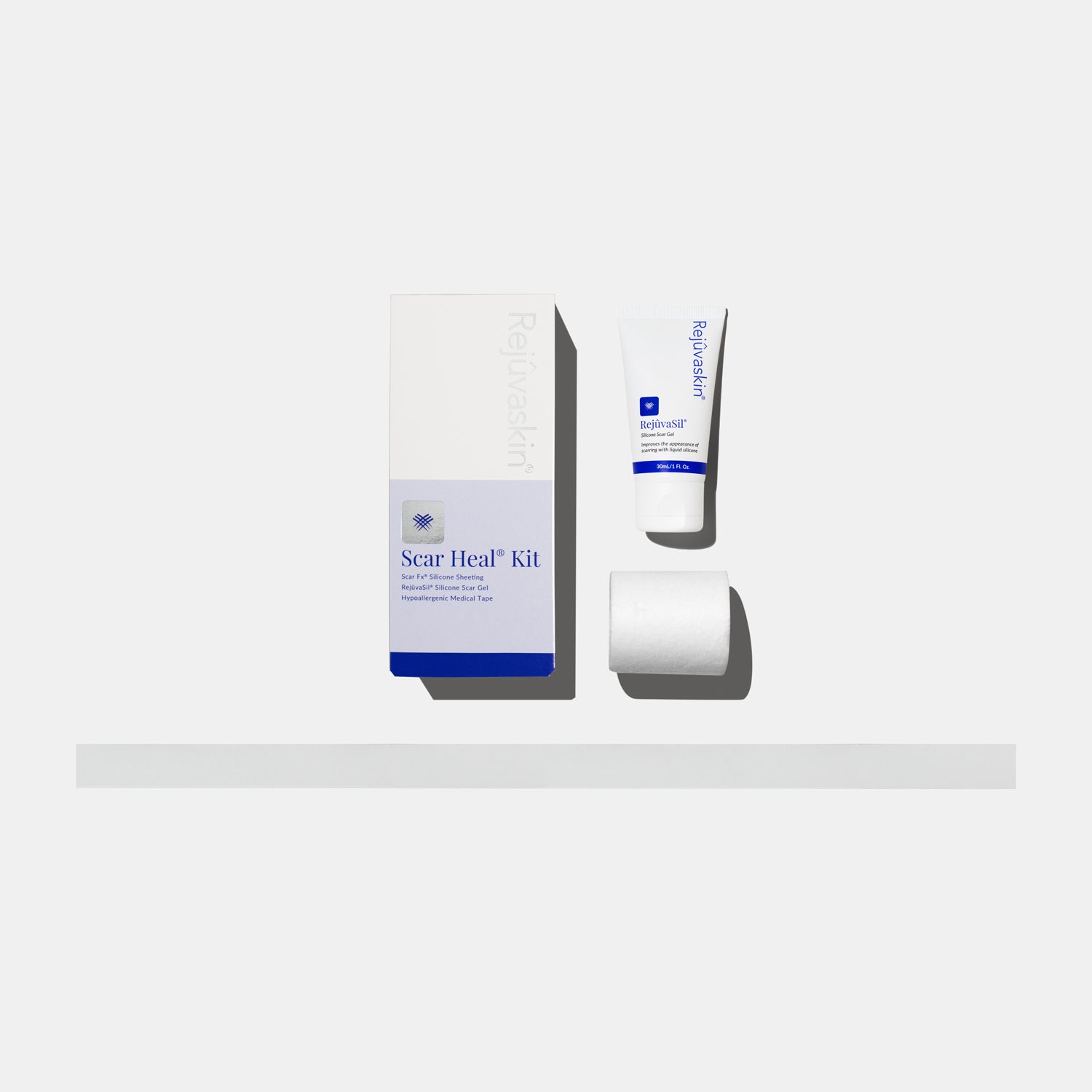
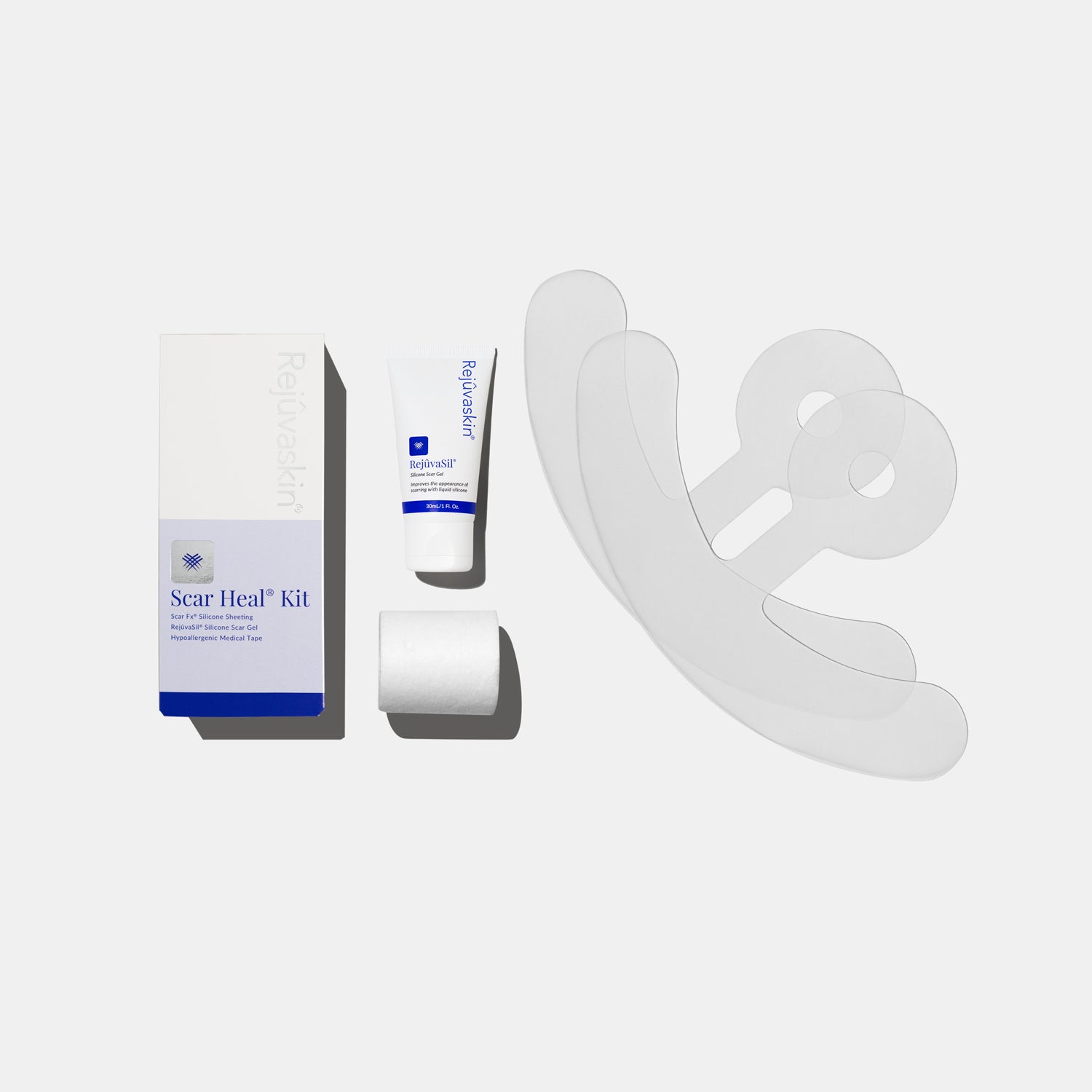
Products like
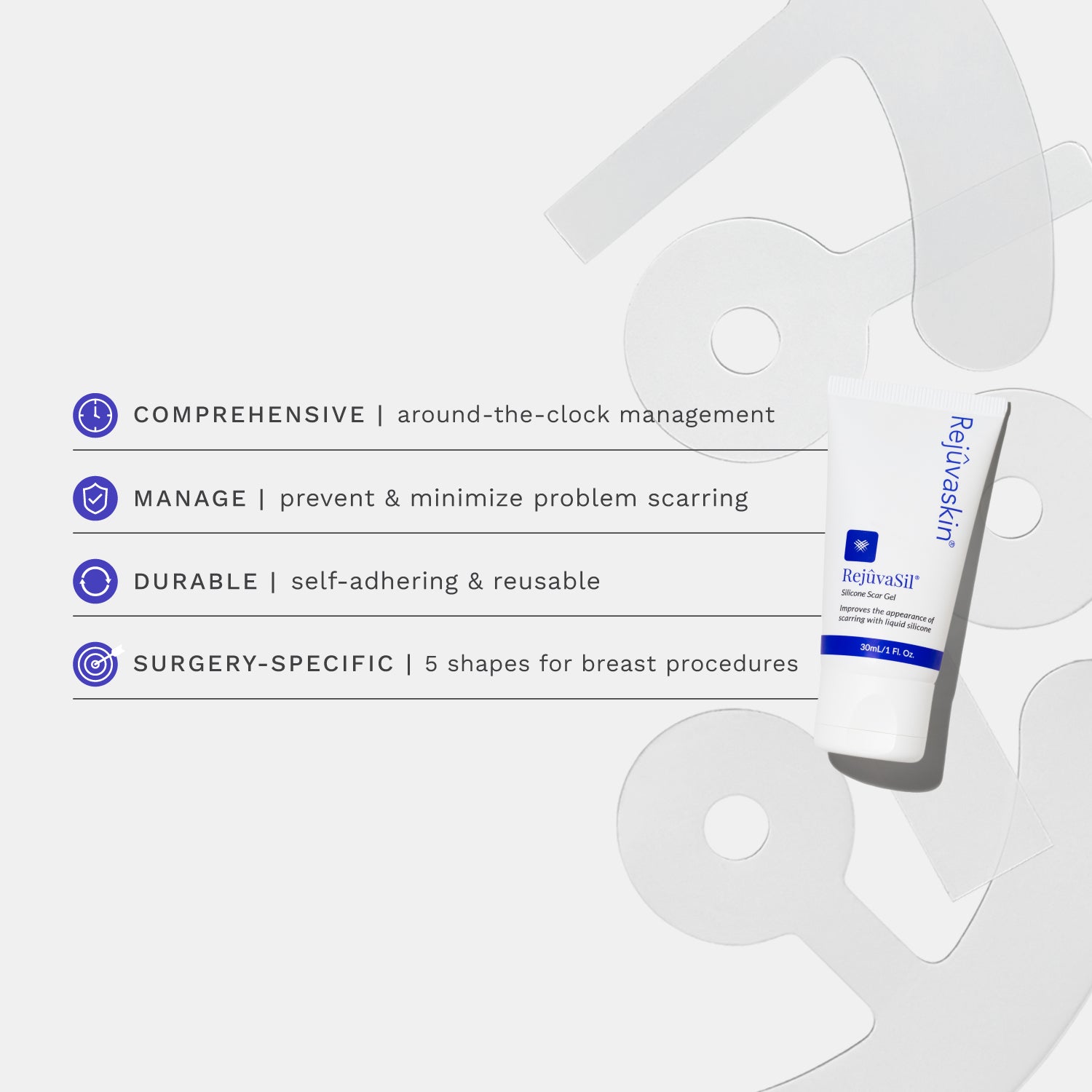
RejuvaSil® Silicone Scar Gel and
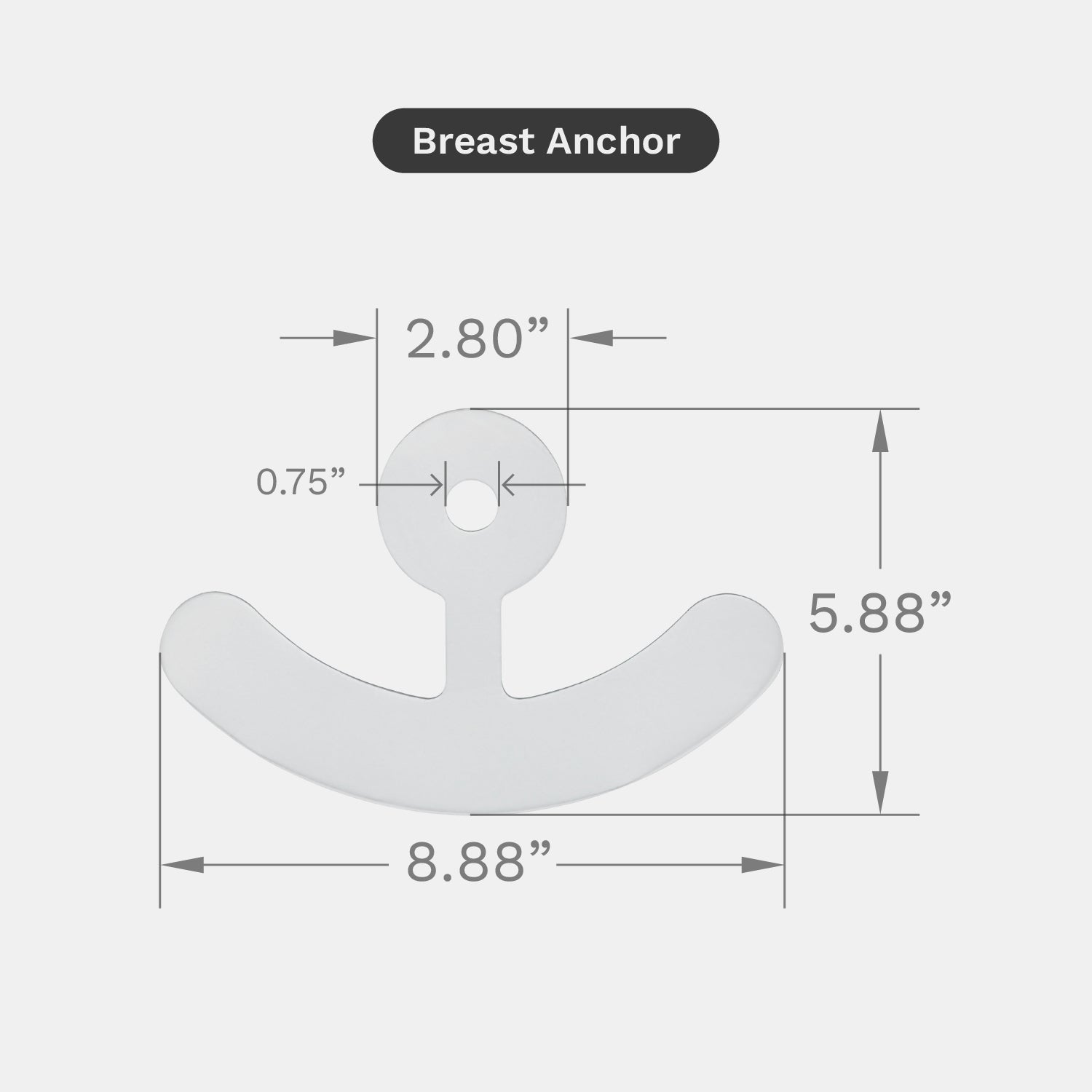
Scar FX® Silicone Sheeting
form a breathable, flexible barrier that locks in hydration, reduces redness, and supports collagen alignment — all key for preventing thick or raised scars.
Apply once the wound has closed and continue for several weeks to optimize results.
4. Stay Hydrated — Inside and Out
Hydration keeps skin resilient and elastic, helping it resist tearing and inflammation during healing. Drink plenty of water and use moisturizers that strengthen your skin barrier — like Rejuvaskin’s Skin Recovery Cream.
Well-hydrated skin heals faster, maintains flexibility, and forms softer, flatter scars.
5. Avoid Friction and Pressure
Daily friction from tight clothing, straps, or even seatbelts can irritate healing skin. Choose soft, breathable fabrics and avoid unnecessary rubbing or pressure, especially around healing scars. Chronic irritation increases the risk of thickened, darker scars — particularly on the chest, shoulders, or knees (Sarιfakιoğlu & Terzioğlu, 2004).
6. Nourish Skin from Within
Healthy skin starts from the inside. Nutrients like vitamin C, zinc, and amino acids support collagen synthesis and tissue repair. Meanwhile, high sugar or alcohol intake can slow recovery.
Eat a diet rich in fruits, vegetables, and lean proteins to give your skin what it needs to rebuild strong, even tissue (Anson & Kane, 2016).
7. Manage Stress for Better Healing
High stress levels increase cortisol, which can suppress your immune system and delay wound healing (Jdid & Ezzedine, 2014).
Incorporate daily stress-reducing practices — meditation, breathing exercises, or even a few minutes of stretching. Consistent self-care improves your overall healing environment and helps prevent long-term scarring.
Scar prevention isn’t about perfection — it’s about consistency. By building these simple, science-backed habits into your daily routine, you can dramatically reduce the risk of visible scars and help your skin heal beautifully.
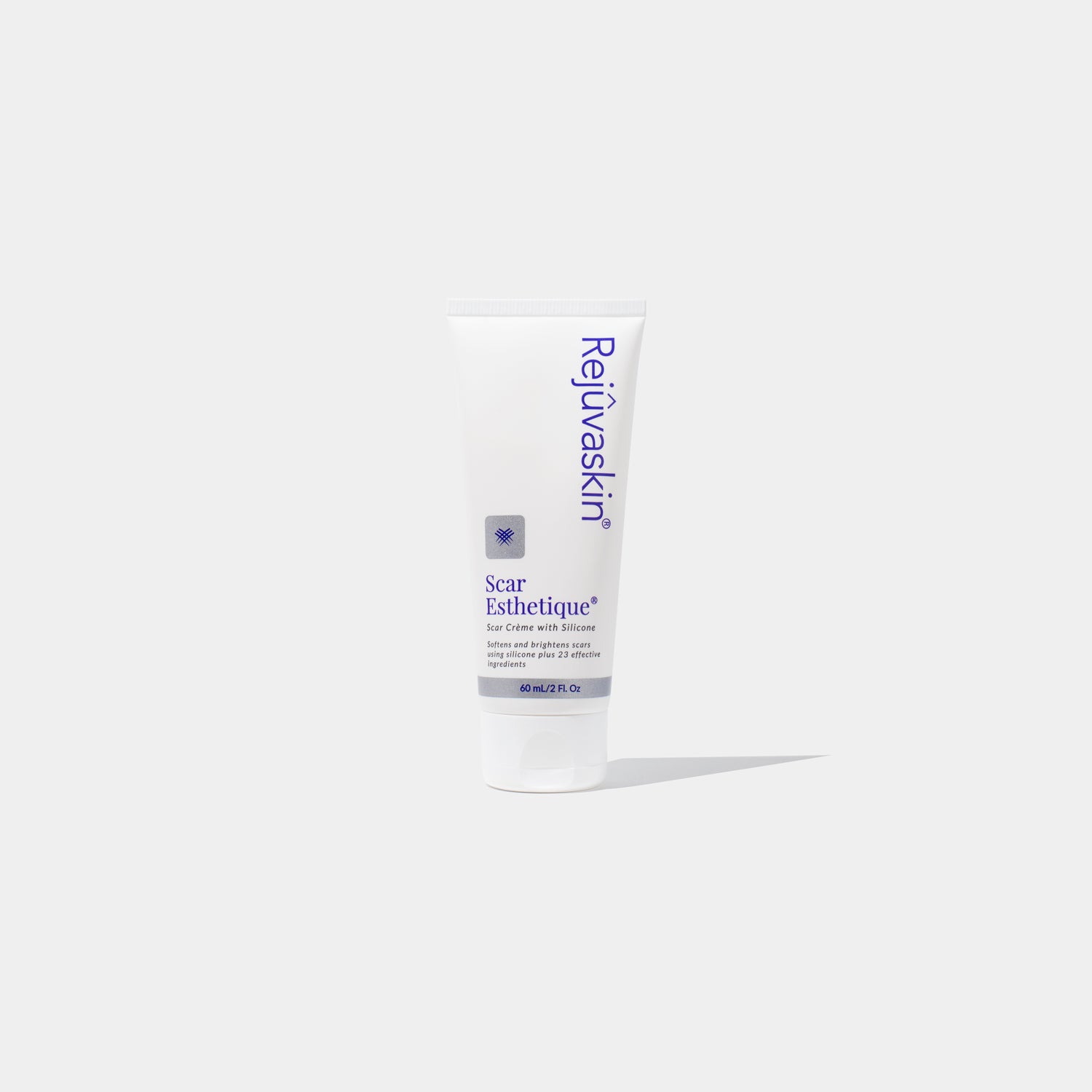
At Rejuvaskin, we combine medical-grade science with gentle, effective skincare to help you protect, repair, and restore your skin. From UV defense with our Mineral Facial Sunscreen to proven silicone therapies like RejuvaSil®and Scar FX®, every product is designed to support your skin’s natural healing journey.
Start protecting your skin today — explore the full collection at Rejuvaskin.com.
Works Cited
Anson, G., & Kane, M. A. (2016). Sleep wrinkles: Facial aging and facial distortion during sleep. Aesthetic Surgery Journal, 36(8), 931–940. Link
Jdid, R., & Ezzedine, K. (2014). MC1R major variants are a risk factor of sleep lines in Caucasian women. Journal of the European Academy of Dermatology and Venereology, 28, 1–6. Link
Poljšak, B., & Godic, A. (2015). Sleeping on an anti-wrinkle pillow reduces facial wrinkles: Results from an anatomical study. Functional Materials Research, 3(2), 48–56. Link
Renton, K., & Keefe, B. (2015). Treating and preventing tissue shift and wrinkles caused by compression. Journal of Aesthetic Nursing, 4(2), 60–65. Link
Sarιfakιoğlu, N., & Terzioğlu, A. (2004). A new phenomenon: “Sleep lines” on the face. Scandinavian Journal of Plastic and Reconstructive Surgery and Hand Surgery, 38, 244–247. Link
Leave a comment